Every six months, the Italian tailoring world convenes in Florence. Bespoke houses, fabric mills, buyers, editors, photographers, and enthusiasts arrive from around the world for a few days of presentations, conversations, and street-level display of what the tradition is thinking. The event is called Pitti Uomo, and for anyone paying attention to men's tailoring, it is the most influential gathering of the year.
The most recent edition just wrapped, and the direction of the tradition is worth reporting on. This is not a comprehensive trade report. Consider it a curated read, from a bespoke clothier who pays attention to these things, on what stood out and what it means for clients here in Pittsburgh.
What Pitti Uomo Actually Is
For readers who haven't come across it before, some context. Pitti Uomo is the semiannual trade fair for men's fashion and tailoring, held twice a year in Florence, Italy. The event was founded in 1972 and has grown into the single most influential gathering in the men's tailoring calendar. Every major Italian house shows up. The mills present their new collections. Buyers and press arrive from around the world. What happens at Pitti tends to shape the broader conversation in bespoke and ready-to-wear tailoring for the year to come.
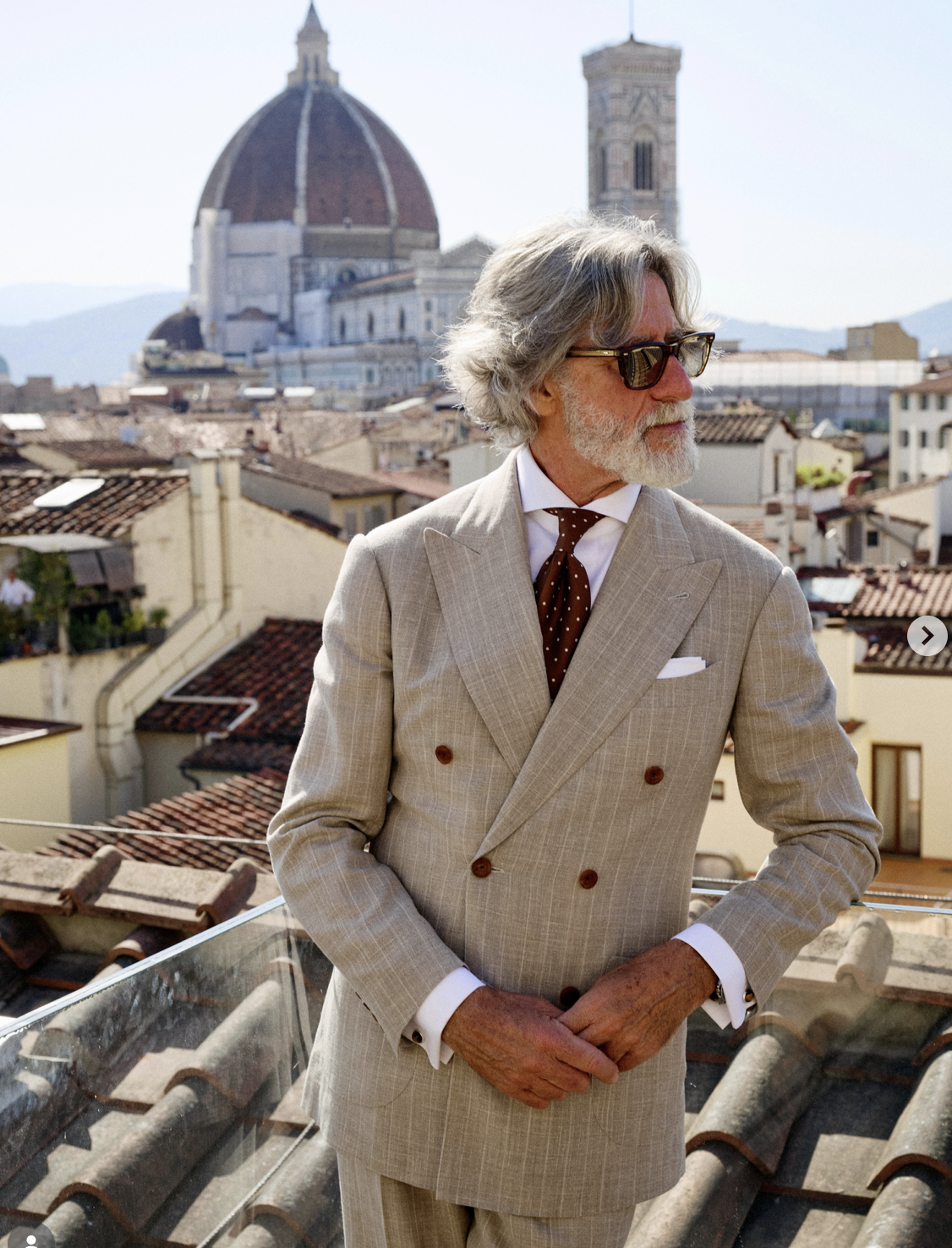
The event is held at the Fortezza da Basso, a sixteenth-century fortress in central Florence, and the exhibition halls fill for four days each edition. But nearly as influential as the presentations inside the halls is what happens outside. The streets around the fortress become a kind of live theater of tailored dressing. Attendees, many of them well-known figures in the tailoring world, arrive in their best work and are photographed extensively. The images that emerge shape editorial coverage, social media conversation, and the general sense of what stylish Italian dressing looks like at that moment.
For Italian bespoke tailoring in particular, Pitti Uomo is where the tradition presents itself. The Neapolitan houses show alongside the Milanese houses. Fabric mills that have been in operation for centuries share space with newer merchant-clothiers. It is, quite simply, the place to understand what Italian tailoring is doing at any given moment.
The Softer Shoulder Continues Its Return
The clearest trend across the most recent edition was the continued dominance of soft shoulder construction. This is not new. Italian tailoring has been moving in this direction for several years now, but the extent of it at the most recent Pitti was striking. The heavily structured, built-up shoulder that defined the 1980s and much of the corporate tailoring of the following decades has clearly given way, at least in the Italian conversation, to something quieter and more natural.
The spalla camicia, or shirt shoulder, of the Neapolitan tradition was particularly visible. This is a construction technique where the sleeve is attached to the shoulder with minimal padding and a slight, intentional fullness where the sleeve head meets the jacket body. The effect is a shoulder that reads as unstructured and slightly soft, moving with the wearer rather than sitting rigidly. Ten years ago this was considered a specialist detail. Today, in the Italian mainstream, it has become close to a default.
For clients whose bespoke wardrobes have historically leaned toward more structured English tailoring, this is a shift worth being aware of. A softer shoulder is not less serious. It reads as more relaxed, more contemporary, and often more flattering across a wider range of body types.
Unstructured Jackets and Neapolitan Influence
Along with the softer shoulder, the broader Neapolitan approach to jacket construction was heavily represented across the most recent edition. Unstructured and lightly structured jackets, those with little to no canvas, minimal shoulder padding, and quarter or half linings, appeared throughout the presentations. The Sartoria houses of Naples were particularly visible, but the influence extended to Milanese and central Italian tailors as well.
The appeal of the unstructured jacket is not merely aesthetic. For clients whose lives don't require the formality of the traditional English silhouette, an unstructured jacket is often more practical. It packs lighter for travel. It performs better in warm weather. It moves more freely. And in its best expressions, it doesn't sacrifice refinement in the process.
The current Italian conversation is a good moment for clients who have been curious about Neapolitan-style tailoring. The tradition is doing some of its best work right now, and the styles emerging from Naples have never been more accessible or more current.
Fabric Direction: Earthier Tones
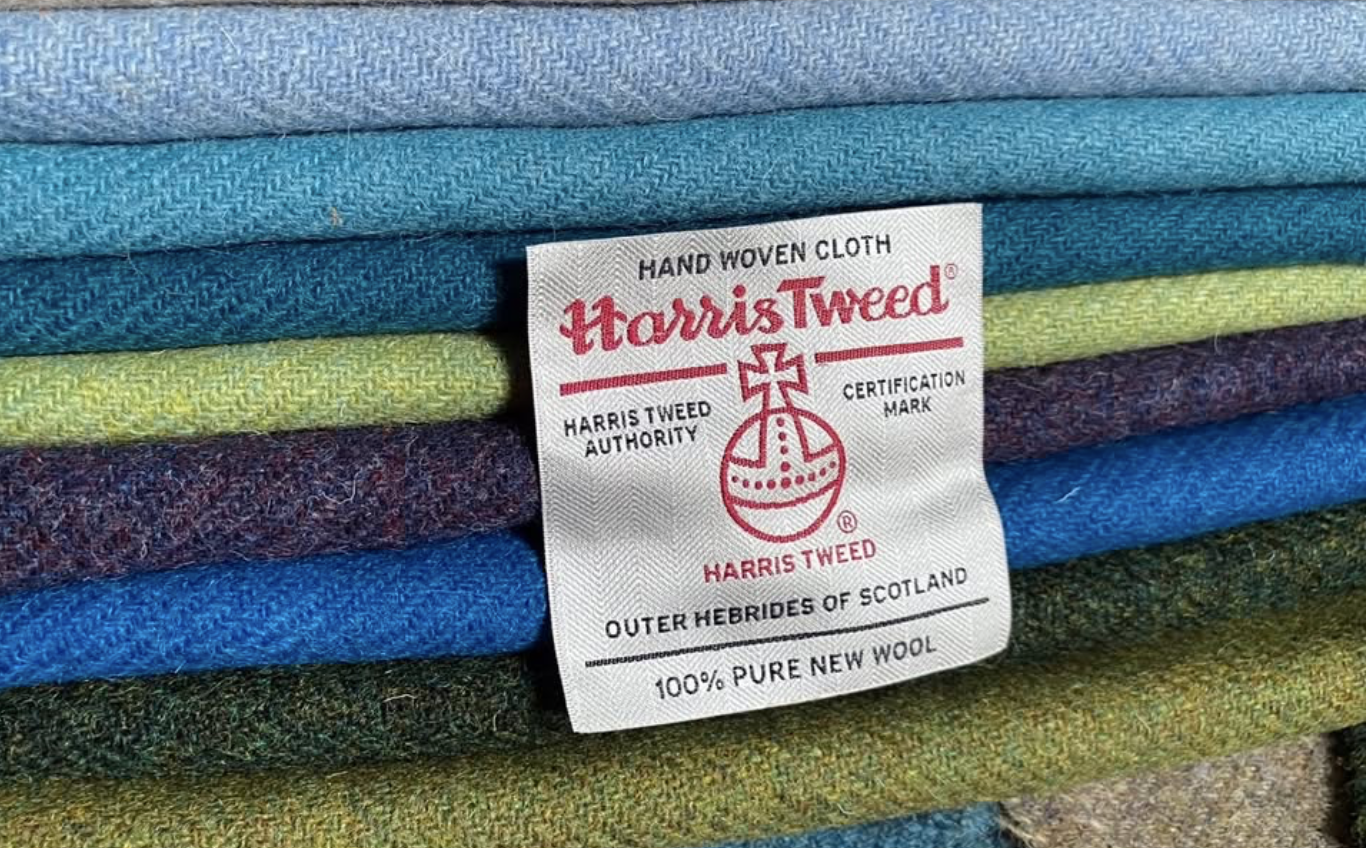
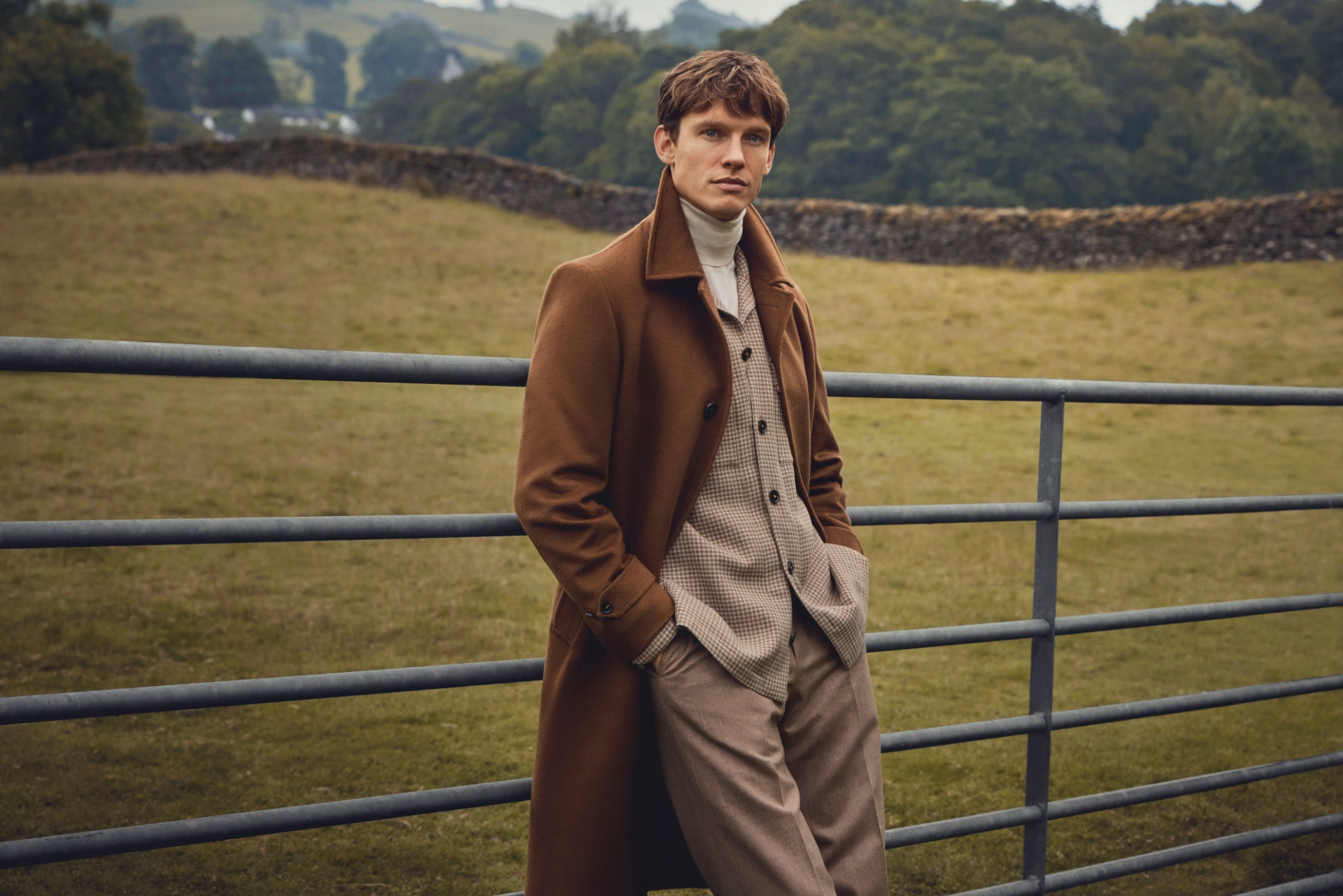
Beyond construction, the fabric direction from the most recent Pitti was notable. Even in summer collections, the color palette leaned toward earth tones. Warm browns, rich olives, soft rusts, and deeper neutrals appeared throughout the presentations, often in place of the brighter colors and cooler blues that have dominated Italian summer collections in recent years.
This is a subtle shift, but a meaningful one. Earthier tones suggest a broader move toward tailoring that reads as slightly more grounded and less overtly aspirational. They also point clearly toward where fall is heading, when these same tonal directions will translate into flannels, tweeds, and heavier wools.
For clients thinking about upcoming commissions, this is a direction worth noting. A brown suit, an olive sport coat, or a rust-tone jacket in the right fabric will feel meaningfully current for the next several years, in ways that a more conventional charcoal or navy might not.
The Broader Relaxation
Underlying all of these specific trends is a broader relaxation in the Italian tailoring conversation. The tightness that defined the 2010s is gone. Jackets have grown slightly longer. Lapels have widened toward the medium range. Trousers have gained back some room through the leg. Rises have risen closer to natural.
This is the direction we have written about in our own history-of-the-suit piece, and Pitti confirmed what has been clear for a few years now. The tailoring tradition is not going backward toward the 1970s or 80s. It is finding its way back to classical proportion, updated with contemporary sensibility. For clients commissioning bespoke garments today, this is the direction of the tradition, and it is a good one to align with.
What This Means for Clients Here
Trends at Pitti Uomo are not commands. They are observations about what a particular tradition is doing at a particular moment. For clients in Pittsburgh building a bespoke wardrobe, they are useful context but not obligation.
That said, the current direction is worth taking seriously for a few reasons. The softer shoulder and more relaxed silhouette that Italy is favoring are genuinely more flattering and comfortable than the tight cuts they have replaced. The earthier fabric direction points toward a fall wardrobe that will read as current for years. And the general return to classical proportion is producing garments that will remain flattering long after the current moment has passed.
If you have been curious about Italian tailoring specifically, or about how these directions might inform your own commissions, we welcome the conversation. Appointments are available at our Shadyside showroom.
Samuel Baron Clothiers is a bespoke men's clothier located at 201 South Highland Avenue in Shadyside, Pittsburgh, PA. Appointments are required. Call (412) 441-1144 or visit samuelbaronclothiers.com to book.