There is a particular quality to a winter wedding that no other season quite matches. The light is different. The atmosphere is different. The garments the wedding calls for are different too, and the color choices that carry a fall or spring wedding often fall flat against the deeper tones of the winter season.
This is a guide for grooms getting married in the winter, focused specifically on color. Not the usual timeline discussion. Not the general case for bespoke. A closer look at the palette that actually works for winter weddings, why it works, and how to think about your choice when the wedding is set against the deepest, richest season of the year.
Why Winter Weddings Ask for a Different Palette
The colors that work for a spring wedding, or a summer one, tend to follow the season's own palette. Lighter blues, warm greys, softer neutrals. These are the colors that photograph well against natural sunlight, blooming venues, and the general brightness of the warm months.
Winter is the inverse. The natural light is cooler and lower. Venues tend to be more formal and more evening-oriented. The season's own palette runs to deep greens, rich reds, warm woods, and the deep blacks and blues of long evenings. A conventional light grey suit, which reads beautifully in June, can look thin and washed out against a candlelit December ballroom.
The winter wedding rewards a palette that meets the season on its own terms. Deeper colors. Richer textures. Fabrics that carry weight and presence. This is where the color choices worth considering start to open up.
The Winter Palette Worth Knowing
There are four color families that work particularly well for winter grooms. Each brings its own character, and each suits a different kind of winter wedding.
Midnight Blue
Midnight blue is one of the most sophisticated choices available to a winter groom. Deeper than navy but not quite black, it reads as elegant and formal without the starkness of a true black suit or tuxedo. Under warm evening light, midnight blue develops a particular richness that navy cannot match, and it photographs beautifully in the low-light conditions typical of winter weddings.
Midnight blue works especially well as an alternative to a black tuxedo for formal winter weddings. The tradition of substituting midnight blue for black at evening formal events goes back nearly a century, based on the observation that black under artificial light can appear less rich than midnight blue does. For a groom who wants formality without the severity of pure black, midnight blue is the answer.
Deep Burgundy
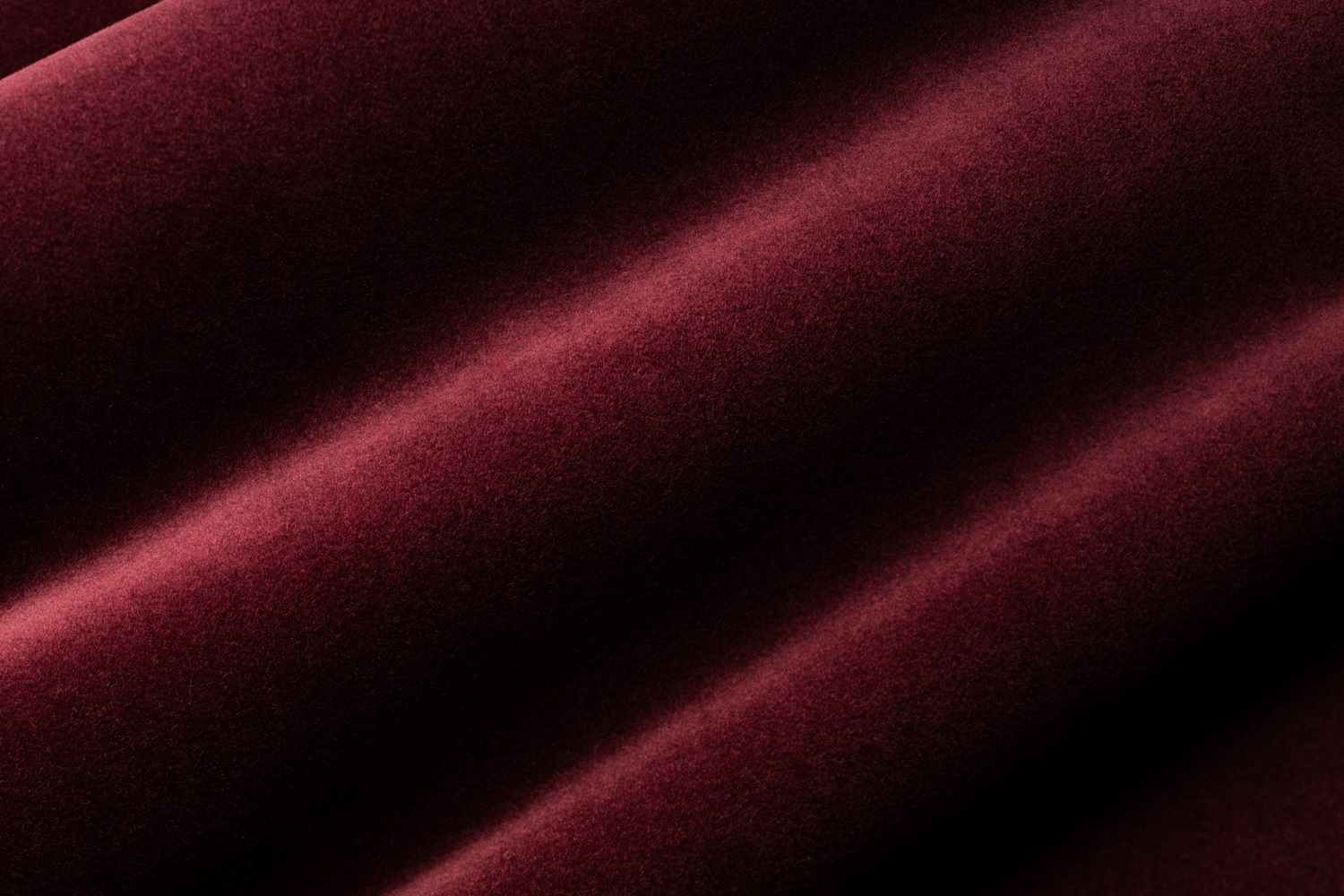
A burgundy suit or tuxedo is a bolder choice, and it can be an extraordinary one for the right winter wedding. Rich burgundy carries a particular warmth against winter's cooler light, and it reads as considered and distinctive without being costume-like.
Burgundy works particularly well in fabrics with texture. A burgundy flannel suit, a burgundy velvet jacket paired with black or midnight trousers, or a burgundy sport coat over dark trousers all offer different registers of the same essential palette. For a winter groom who wants to depart from convention without abandoning refinement, burgundy is worth exploring.
Forest Green
Forest green is another richly winter color that has quietly returned to favor for weddings. A deep forest green suit or dinner jacket reads as sophisticated and current, and it photographs beautifully against the natural browns, deep reds, and warm neutrals that dominate winter wedding decor.
Like burgundy, forest green works particularly well in textured fabrics. A herringbone forest green suit, a velvet forest green dinner jacket, or a forest green sport coat in fine wool all bring the color to life in different ways. The key is to choose a green that is genuinely deep and warm rather than a bright or medium tone, which reads as less appropriate to the season and the formality of the occasion.
Charcoal and the Deeper Neutrals
For grooms who want to stay closer to convention while still meeting the winter season on its terms, deep charcoal is the classic answer. Not a mid grey. Not a light grey. A genuinely deep charcoal, close to black but with the softness that grey retains against a true black.
A charcoal winter wedding suit is a perpetually elegant choice. It reads as formal without the severity of black, it photographs consistently well across every kind of winter venue, and it becomes a garment that the groom will wear again long after the wedding. For clients whose taste runs classical, charcoal is often the right choice.
The other deeper neutrals worth considering include very dark brown (particularly beautiful in flannel or textured wool), and warm off-blacks that carry a subtle brown or blue undertone rather than the pure black of formalwear.
Choosing the Right Palette for Your Wedding
The right color choice depends on several factors specific to the wedding itself.
The formality of the wedding matters. Black tie and formal weddings suit midnight blue, deep charcoal, or a true black tuxedo. Semi-formal weddings open the door to burgundy, forest green, or a fabric-forward charcoal or brown.
The venue matters. A grand ballroom, a candlelit church, or a formal historic space favors darker and richer tones. A more relaxed winter venue, whether a warm restaurant, a rustic setting, or a family home, can carry a slightly less severe palette.
The time of day matters. Evening winter weddings almost always favor darker and richer colors. Afternoon winter weddings, particularly earlier in the season, can carry slightly lighter tones like a rich mid-charcoal or a warm brown.
And the wedding's overall aesthetic matters. If the wedding party, the flowers, and the decor lean toward deep, warm colors, your palette can either complement them or provide a considered counterpoint. This is a conversation worth having with your partner before making final decisions.
The Fabric Question
Color and fabric are more connected in winter than in any other season. A burgundy suit in a lightweight tropical wool would read as strange and out of season. The same burgundy in a heavier flannel, a soft cashmere, or a subtle wool with visible texture reads as exactly right.
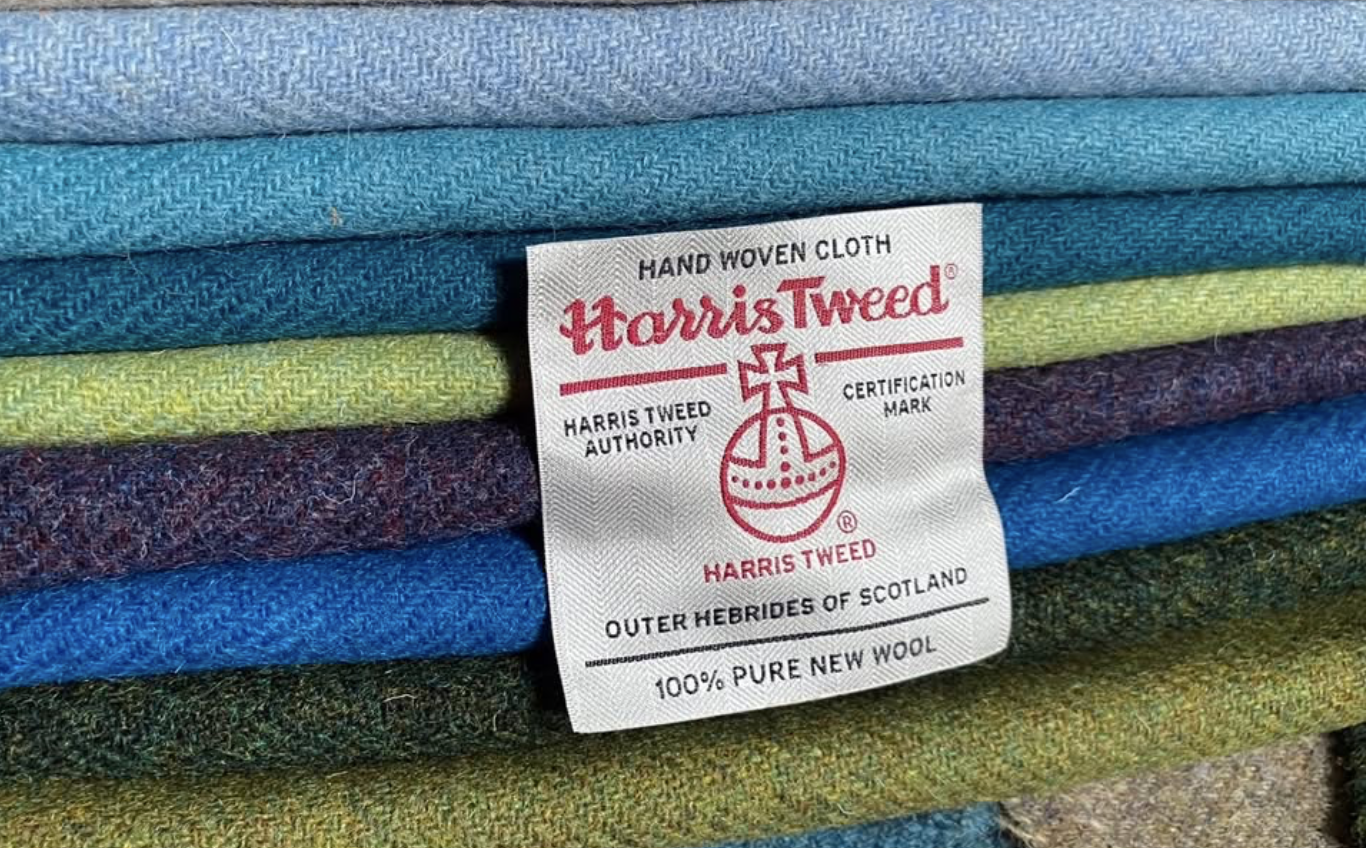
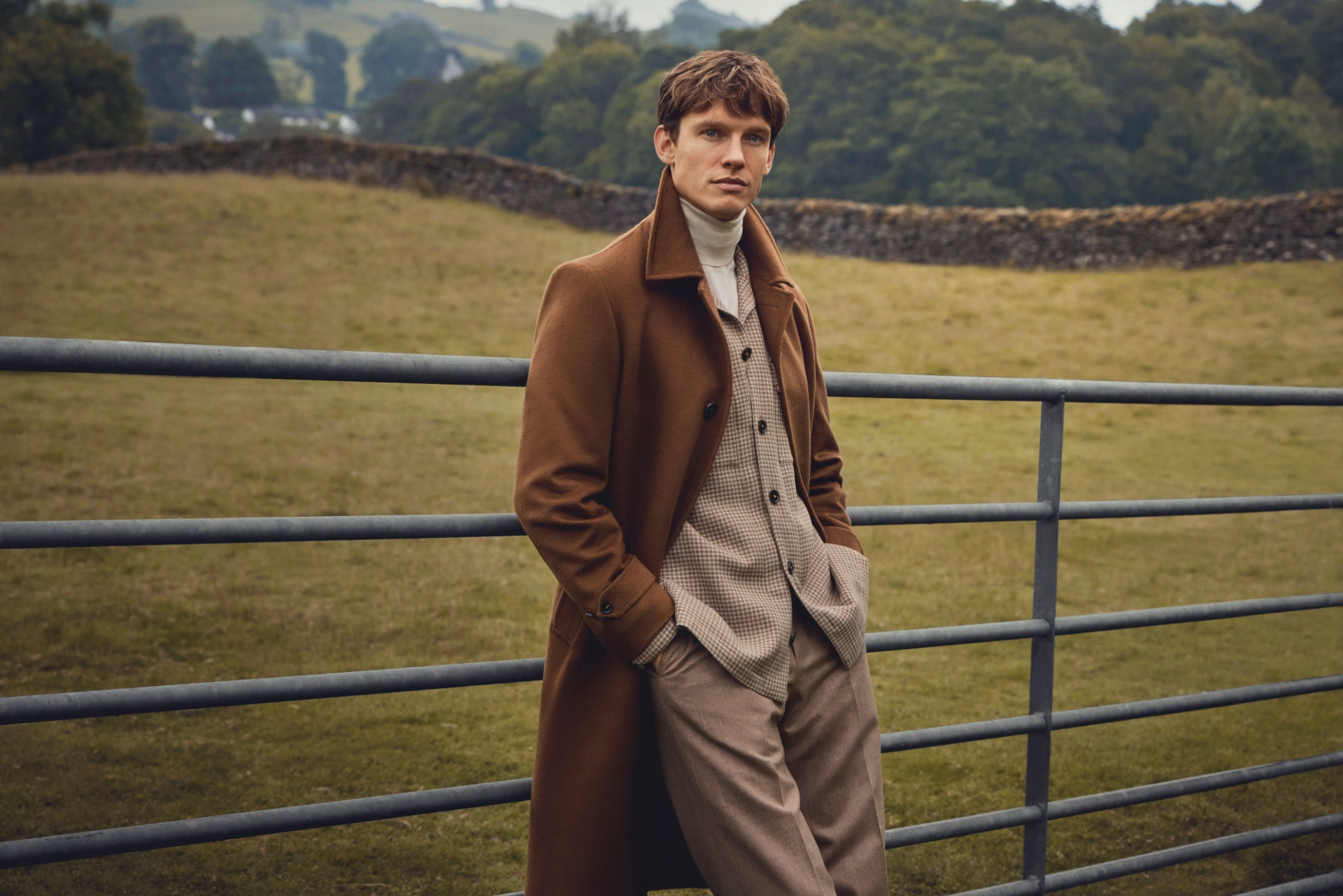
For winter grooms, the fabric conversation should happen alongside the color conversation. Heavier weights, richer surface textures, and the specialty fabrics that only appear in the fall and winter collections (cashmere, flannel, tweed, mohair blends, velvet for jackets) all bring winter colors to life in ways that lighter cloths cannot.
This is one of the reasons we always recommend that winter grooms come in to see and feel the fabrics in person. The relationship between color and cloth is difficult to appreciate from photographs, and the right combination is often clear only when you can compare options side by side.
A Note on Timing
The color and fabric decisions above are the fun part of the process. Before you get to them, there is one practical consideration that determines whether they happen at all: timing.
A bespoke wedding suit takes six to eight weeks to produce. With a basted fitting, which we strongly recommend for any wedding commission, the window extends closer to ten weeks. For a winter wedding, this means the conversation needs to start well before the season arrives.
A February wedding is best served by a commission that begins in late November or early December. A January wedding needs the conversation to start in October or November. And for grooms getting married in December, particularly around the holidays, the ideal window is late September or October.
The winter fabrics we work with are among the most beautiful in the showroom. Piacenza cashmere. Deep flannels from the best Italian and English mills. Textured tweeds and heavy wools that carry the season's own character. If you are getting married this winter and haven't started the process yet, now is the right moment to book an appointment. Winter goes fast, and the fabric conversation is one of the most enjoyable parts of the entire wedding preparation.
Appointments are available at our Shadyside showroom.
Samuel Baron Clothiers is a bespoke men's clothier located at 201 South Highland Avenue in Shadyside, Pittsburgh, PA. Appointments are required. Call (412) 441-1144 or visit samuelbaronclothiers.com to book.