There is a particular kind of frustration that comes from awardrobe full of clothes that don't quite work. Suits that fit in some placesand compromise in others. Jackets bought for one occasion that never found asecond use. Shirts that looked right in the store and wrong at the office. Forprofessionals who rely on their appearance as part of how they do their work,this is not a minor inconvenience. It is a recurring tax on time, money, andconfidence.
Bespoke clothing addresses this problem at its root. Not byadding more to the wardrobe, but by replacing approximation with precision. Agarment built from your measurements, in a fabric chosen for your life, servesyou in a way that off-the-rack clothing is simply not designed to do. For theprofessionals we work with at Samuel Baron Clothiers, the decision to invest inbespoke is rarely about occasion. It is about how they want to show up everyday.
Why Off-the-Rack Clothing Falls Short for Professionals
Ready-to-wear suits are built around a statistical average.The proportions are designed to fit a range of body types reasonably well,which means they fit any individual body imperfectly. The shoulders may sitcorrectly while the chest pulls. The jacket length may be right while thesleeves run long. The trousers may break well but gap at the waist. These arenot problems that alterations can fully solve — they are structural limitationsbuilt into the garment from the start.
For a professional who wears a suit once or twice a month,this is manageable. For someone who wears tailored clothing several days aweek, it accumulates. Every ill-fitting garment requires more attention, moreadjustment, and more mental energy than one that simply works. And over time,the cost of buying, altering, and replacing off-the-rack clothing adds up inways that are rarely calculated against the alternative.
What Bespoke Clothing Actually Provides
The most obvious thing bespoke provides is fit, but fit isworth being specific about. A bespoke garment is not merely adjusted to yourmeasurements — it is drafted from them. Every proportion, every seam, everystructural decision begins with your body as the reference point rather than astandard size that has been modified after the fact. The difference in how thisfeels to wear, and how it reads to others, is significant.
Beyond fit, bespoke provides durability. A properlyconstructed bespoke suit, worn and cared for correctly, will serve aprofessional wardrobe for a decade or more. The internal canvas work, thequality of the cloth, and the standard of finishing all contribute to a garmentthat ages well rather than one that begins deteriorating after a few seasons.When that lifespan is factored into the cost, the investment calculation looksquite different from what the upfront price suggests.
Bespoke also provides consistency. Once your pattern exists,every subsequent garment we make for you begins from a foundation alreadycalibrated to your body. The first suit requires a full process of measurementand fitting. By the third or fourth commission, we know your proportions, yourpreferences, and how you wear your clothing. That accumulated knowledgeproduces garments of increasing precision, and a wardrobe that buildscoherently over time rather than accumulating randomly.
The Investment Argument: Cost Per Wear
The price of a bespoke suit is visible in a way that the costof off-the-rack clothing is not. A $400 suit feels like a smaller commitmentthan a $2,500 one, even when the math does not support that intuition. Considerwhat actually happens over time. A $400 suit worn twice a week will show wearwithin a year or two, require alterations that add to its cost, and needreplacement within three to four years. A well-made bespoke suit worn at thesame frequency, cared for properly, will look correct for a decade. The costper wearing, spread across that lifespan, is lower than most people expect.
This is not an argument that bespoke clothing is cheap. It isan argument that the comparison is more favorable than the upfront priceimplies, and that for a professional who relies on their appearance, the returnon a well-chosen bespoke garment is real and measurable. The professionals wework with who have made this transition rarely go back to the calculation theyused before. The experience of wearing clothing that was built for them tendsto reframe the question entirely.
Building a Bespoke Wardrobe Over Time
A bespoke wardrobe does not need to be built all at once. Formost clients, it develops across commissions and seasons, each piece chosen toserve a specific purpose and work alongside what already exists. The firstcommission is often a versatile two-piece suit in a year-round weight —something that earns its place immediately and establishes the foundation.Subsequent pieces fill in around it: a second suit in a different weight orcloth, a sport coat for less formal occasions, custom shirts that work acrossthe wardrobe.
Starting with the right foundation
The first bespoke commission matters more than subsequentones, not because it has to be the most expensive piece, but because it setsthe standard. A well-chosen first suit — appropriate weight, correct formalityfor the client's work, built around their actual proportions — demonstrateswhat the process can produce and clarifies what the wardrobe needs next. Wespend considerable time at the first appointment understanding how a clientactually lives in their clothing before making any recommendations.
The personal pattern as a long-term asset
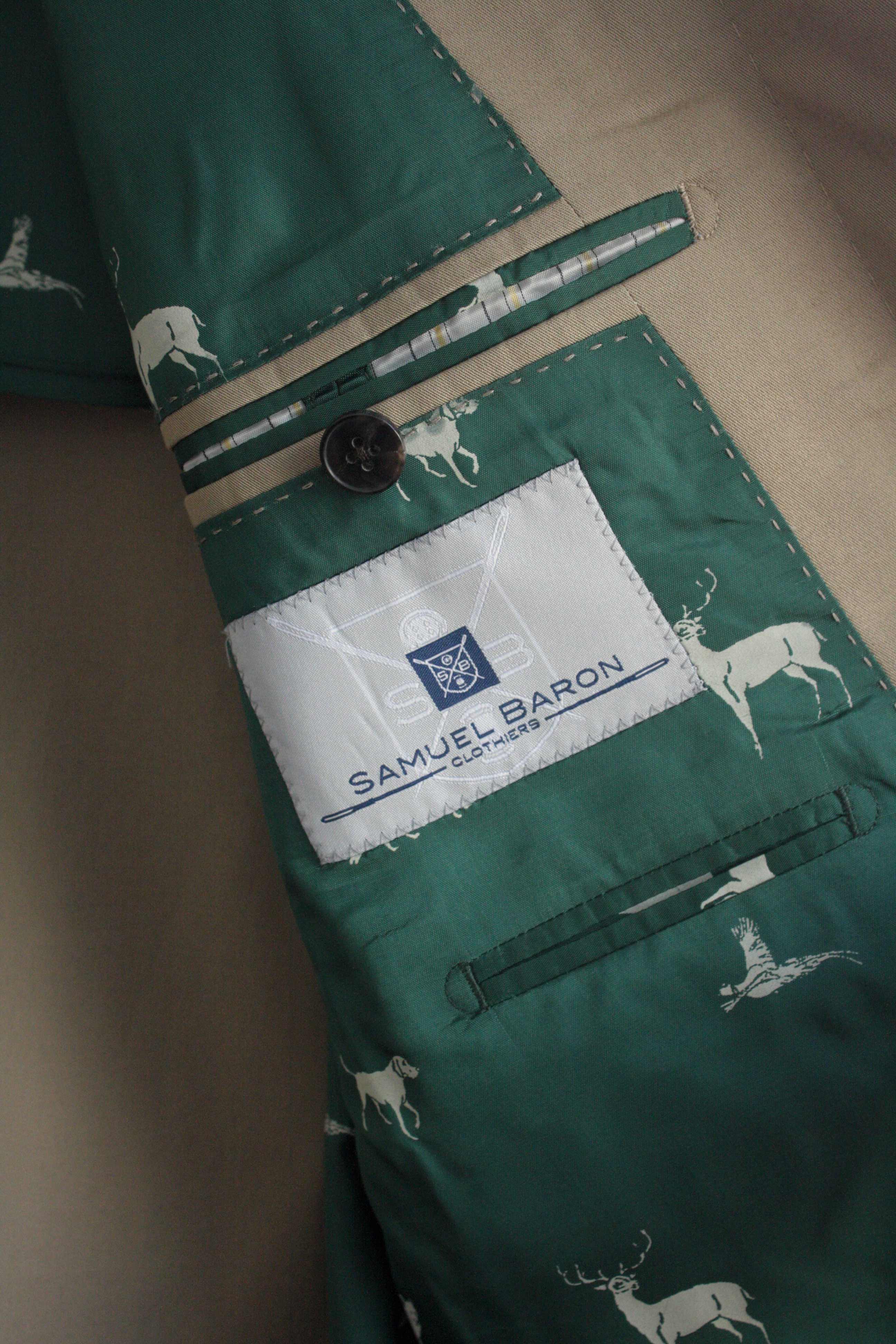
One of the less-discussed advantages of a bespoke relationshipis the pattern. At Samuel Baron Clothiers, every client's pattern is draftedfrom scratch and kept on file permanently. This means that every subsequentgarment we make for that client begins from a foundation already built forthem. Over time, as we accumulate knowledge of a client's preferences and howtheir body and lifestyle evolve, the pattern and the relationship becomeincreasingly valuable. A client who has commissioned five suits with usreceives something qualitatively different from a client who has commissionedone — not just more suits, but a more refined understanding of what serves thembest.
Quality over quantity
The wardrobe logic that underlies bespoke clothing is notabout accumulation. It is about reduction. Fewer garments, each chosendeliberately, each serving its purpose well. A professional wardrobe of four orfive bespoke pieces — two suits, a sport coat, a formal option, a selection ofcustom shirts — will outperform a closet of twenty off-the-rack items in almostevery measurable way. It will require less maintenance, produce less decisionfatigue, and present more consistently. This is the wardrobe that our clientsare building, one commission at a time.
What the Process Looks Like
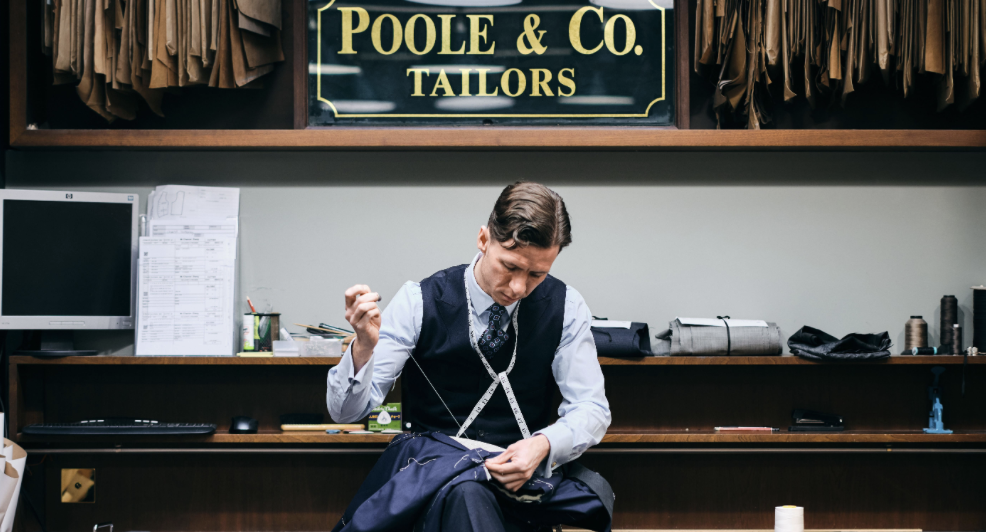
For professionals who have not gone through a bespokecommission before, the process is more straightforward than it might appear. Itbegins with a conversation — about what the client needs, what occasions theyare dressing for, and what their existing wardrobe looks like. From there,fabric is selected from our robust collection, style decisions are made, andmeasurements are taken. The garment is produced over six to eight weeks andarrives for a fitting appointment. Any final adjustments are handled before theclient takes it home.
The time investment on the client's part is modest. The firstappointment typically runs an hour to ninety minutes. The fitting appointmentis shorter. For a garment that will be worn regularly for years, this is areasonable exchange. And for clients who find they enjoy the process — theconversation about cloth and construction, the accumulated knowledge of whatworks for them — it becomes something they look forward to rather than a taskto complete.
A Practical Investment for Professionals
Bespoke clothing is not the right choice for everyone, and weare not in the business of convincing clients to commission garments they donot need. But for professionals who wear tailored clothing regularly, who haveexperienced the recurring frustration of clothing that almost works, or who areready to build a wardrobe with more intention than they have applied before,the case for bespoke is a practical one. It is a decision about the standardyou want to hold your clothing to, and what you are willing to invest in thatstandard over time.
If you are a professional in Pittsburgh or elsewhereconsidering your first bespoke commission, or if you are looking to add to anexisting wardrobe with more precision, we would welcome the conversation.Appointments are available at our Shadyside showroom.
Samuel BaronClothiers is a bespoke men's clothier located at 201 South Highland Avenue inShadyside, Pittsburgh, PA. Appointments are required. Call (412) 441-1144 orvisit samuelbaronclothiers.com to book.