Lapels Explained: The Difference Between Notch, Peak & Shawl (And What They Signal)
When most men shop for a suit, they focus on fabric and fit. But one of the most powerful details sits near the face: the lapel.
Lapels do more than decorate a jacket. They influence how broad your shoulders appear, how formal a suit feels, and what kind of presence the wearer projects. In bespoke tailoring, lapels are never a last-minute decision—they are part of the garment’s architecture and identity.
This guide breaks down the three primary lapel styles—notch, peak, and shawl—and explains when each is appropriate, what it communicates, and how a bespoke clothier ensures it fits your proportions properly.
What Is a Lapel (and Why It Matters)?
A lapel is the folded fabric along the front edge of a jacket, created where the collar meets the jacket front. Because it frames the chest and face, it affects:
- how wide or narrow your torso appears
- the formality of the garment
- the style era the jacket references
- the overall impression of authority, elegance, or restraint
The lapel is one of those details that most people don’t consciously notice—but everyone feels the difference when it’s done correctly.
1) Notch Lapel: The Classic Standard
What it is
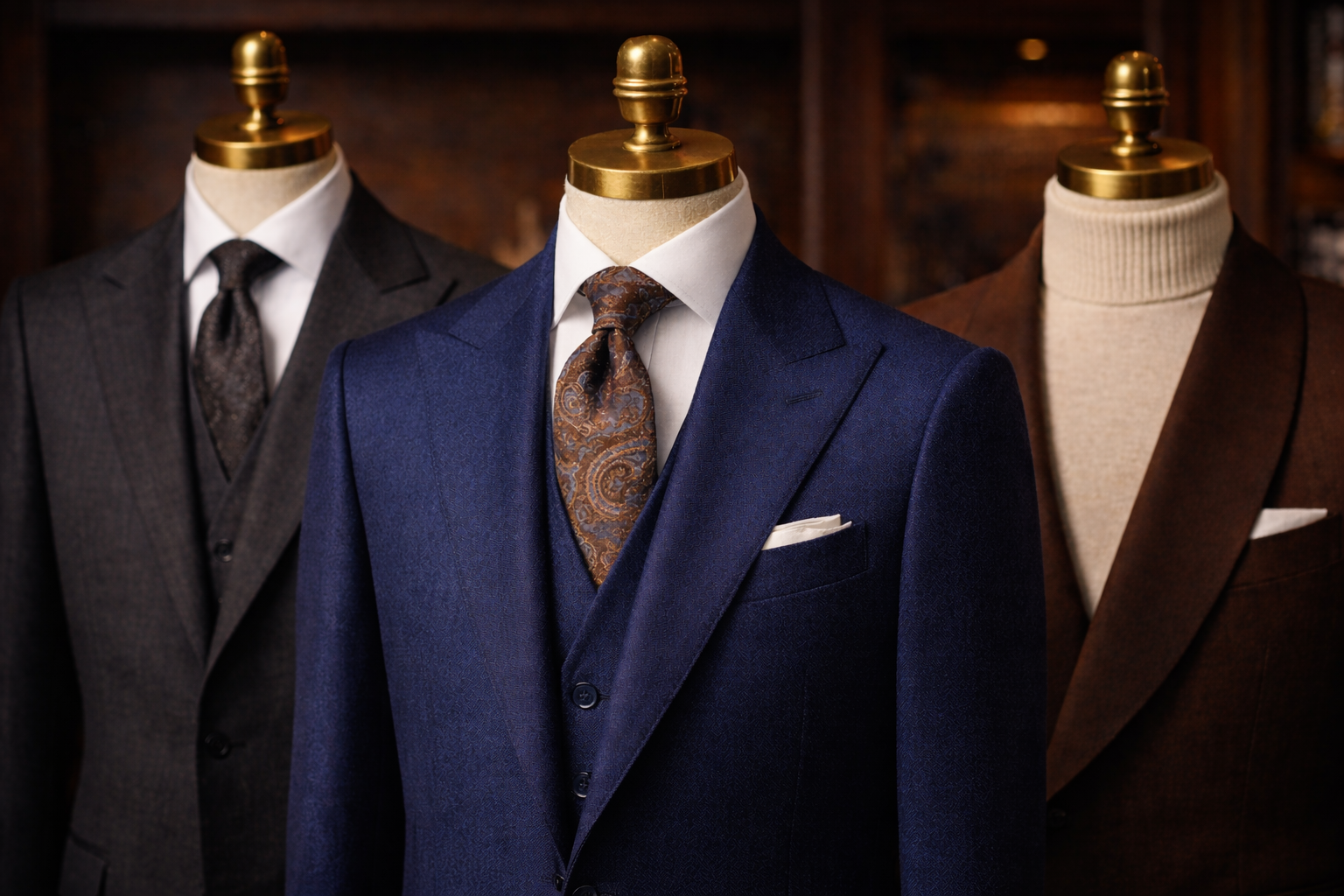
A notch lapel has a visible “notch” where the lapel meets the collar. It’s the most common lapel style, but that doesn’t make it basic.
What it signals
Notch lapels communicate versatility, professionalism, and restraint. They’re ideal for a refined wardrobe that needs to work across daily business, meetings, and events.
Best for
- business suits
- sport coats and blazers
- first bespoke suit purchases
- men who want timeless rather than trend-driven
Bespoke clothier note
Notch lapels are often treated as default, but with custom the notch is shaped deliberately:
- the angle can sharpen the face
- the width can build presence
- the lapel roll can elevate the jacket instantly
A well-cut notch lapel is understated luxury.
2) Peak Lapel: The Power Choice
What it is
A peak lapel points upward toward the shoulder. That upward movement creates a stronger V-shape and draws the eye outward.
What it signals
Peak lapels signal confidence, authority, and formality. Historically, they’ve been used in more formal tailoring, and they remain one of the most elegant details a jacket can have.
Best for
- formal business suits
- weddings (especially for the groom)
- double-breasted jackets
- men who want stronger structure and presence
Why it flatters many men
Peak lapels:
- visually broaden shoulders
- emphasize chest shape
- create a more commanding silhouette
- complement athletic or broader frames
Clothier note
Peak lapels must be proportioned correctly. If the peaks are too long, too short, or too sharp, they can look theatrical. We engineer the peak to look powerful—but never exaggerated.
3) Shawl Lapel: The Formal Specialist
What it is
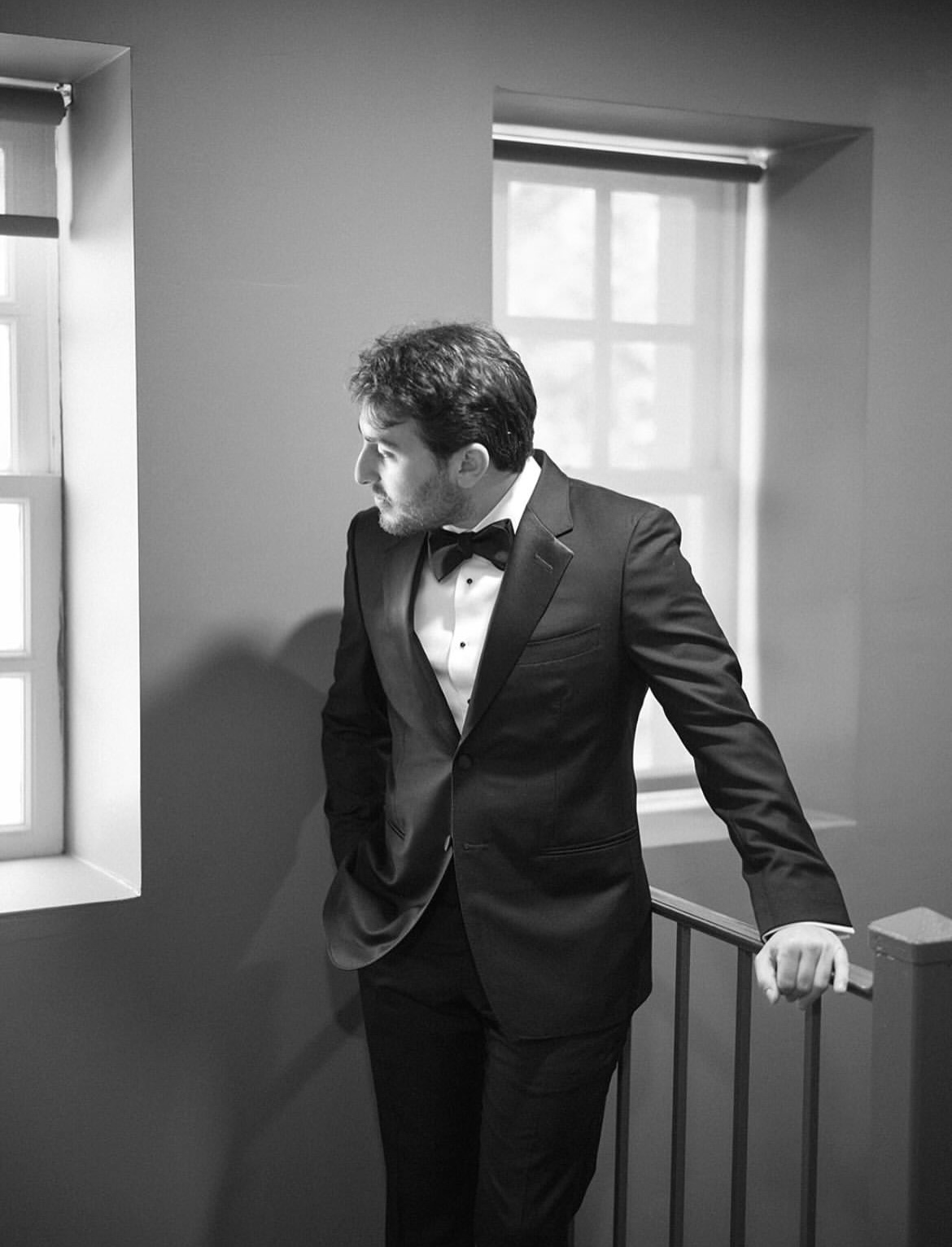
A shawl lapel is a continuous, rounded curve with no notch. It’s traditionally used on tuxedos and dinner jackets.
What it signals
Shawl lapels signal evening formality and refined elegance. They’re less common in everyday wardrobes, which makes them feel intentional and elevated when worn appropriately.
Best for
- tuxedos and black-tie events
- formal weddings
- gala dinners and evening celebrations
- men who want minimalist sophistication
Clothier note
Shawl lapels depend heavily on internal structure. In the hands of our tailors, the lapel is shaped with canvas work so the curve rolls naturally rather than lying flat or stiff.
How to Choose the Right Lapel (Simple Guide)
Choose
notch
if you want:
- maximum versatility
- business-first wardrobe strength
- a classic, understated profile
Choose
peak
if you want:
- a sharper silhouette
- more formality and authority
- a statement that still reads timeless
Choose
shawl
if you want:
- evening elegance
- black-tie tradition
- a refined tuxedo profile
Lapel Width: The Quiet Detail That Changes Everything
Lapel width trends come and go, but proportions remain.
A lapel should relate to:
- your shoulder width
- your chest depth
- your jacket length
- your tie width (if wearing one)
Overly narrow lapels often look trend-driven. Overly wide lapels can look costume-like if not balanced. Our clothiers ensure the lapel feels natural to your frame.
The Bespoke Advantage: Lapels Are Built, Not Selected
In bespoke production, lapels aren’t simply “chosen.” They’re shaped through:
- internal canvas architecture
- lapel roll and curvature
- handwork that controls drape
- proportional design unique to the wearer
That’s why bespoke lapels have a presence that mass-made jackets cannot replicate: they’re engineered to look and feel correct from day one—and to improve over time.
If you’re commissioning a suit or tuxedo and want the right lapel style for your wardrobe goals, we invite you to schedule a consultation at Samuel Baron Clothiers. We’ll guide you through lapel options, proportions, and styling so the final garment reflects your standards—not just a trend.
Read More
If you’d like to deepen your understanding of bespoke tailoring and build a wardrobe with precision, explore these guides:
- How a Suit Should Fit: The 10-Point Checklist Every Man Should Know
- Bespoke vs. Made-to-Measure vs. Custom: The Real Difference (From a Bespoke Clothier)