Classic Standards, Modern Fit, and Professional Interview Style
A job interview remains one of the few moments when clothing carries immediate weight. Before introductions are made, your attire has already communicated something about your judgment, your awareness, and your respect for the opportunity in front of you.
In 2026, interview attire is less rigid than it once was, but it is never casual to the point of indifference. Professional interview style today is about balance — honoring classic standards while embracing modern tailoring and proportion. The goal is not to impress with trend. It is to project composure, clarity, and quiet confidence.
The Foundation of Interview Attire: Tailoring and Fit
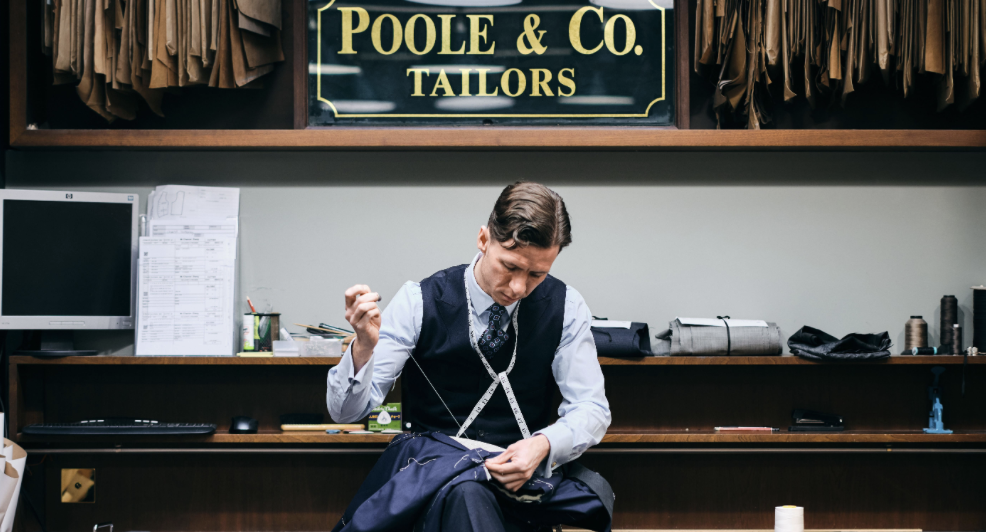
When deciding what to wear to a job interview, fit is the first and most important consideration. A jacket that sits cleanly on the shoulders, sleeves that reveal a proper amount of shirt cuff, and trousers that break neatly at the shoe will always communicate more authority than bold colors or fashion-forward details.
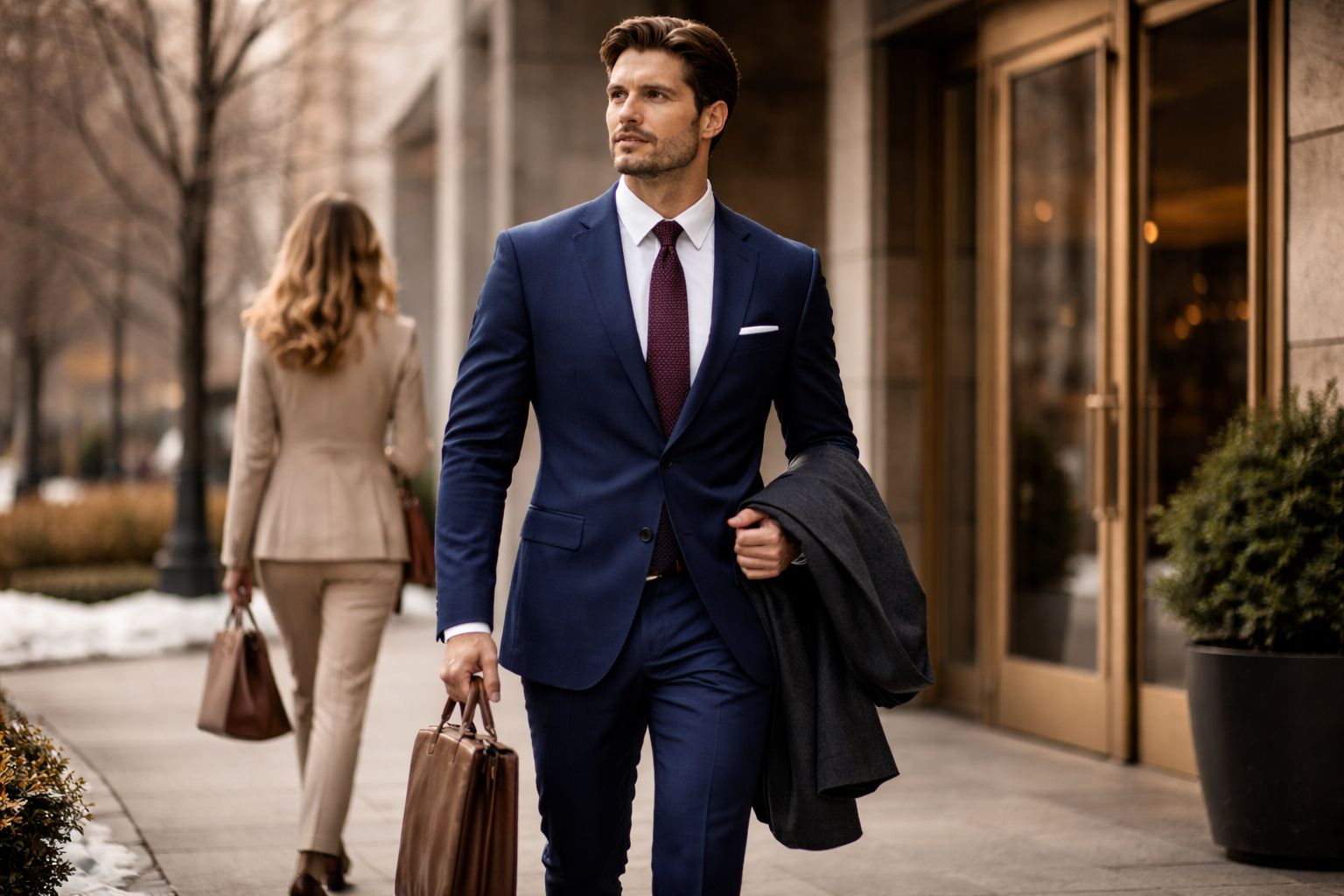
The modern interview suit in 2026 features softer structure and a refined silhouette. Jackets are shaped through the waist without pulling. Trousers taper cleanly without appearing tight. The overall impression should feel current but timeless — intentional rather than experimental.
For most industries, a navy suit remains the most versatile and dependable choice for job interview attire. Charcoal follows closely behind, particularly in finance, law, or executive environments. Mid-gray offers a slightly softer alternative while maintaining authority. These tones photograph well, read professional in varied lighting, and never compete with the conversation.
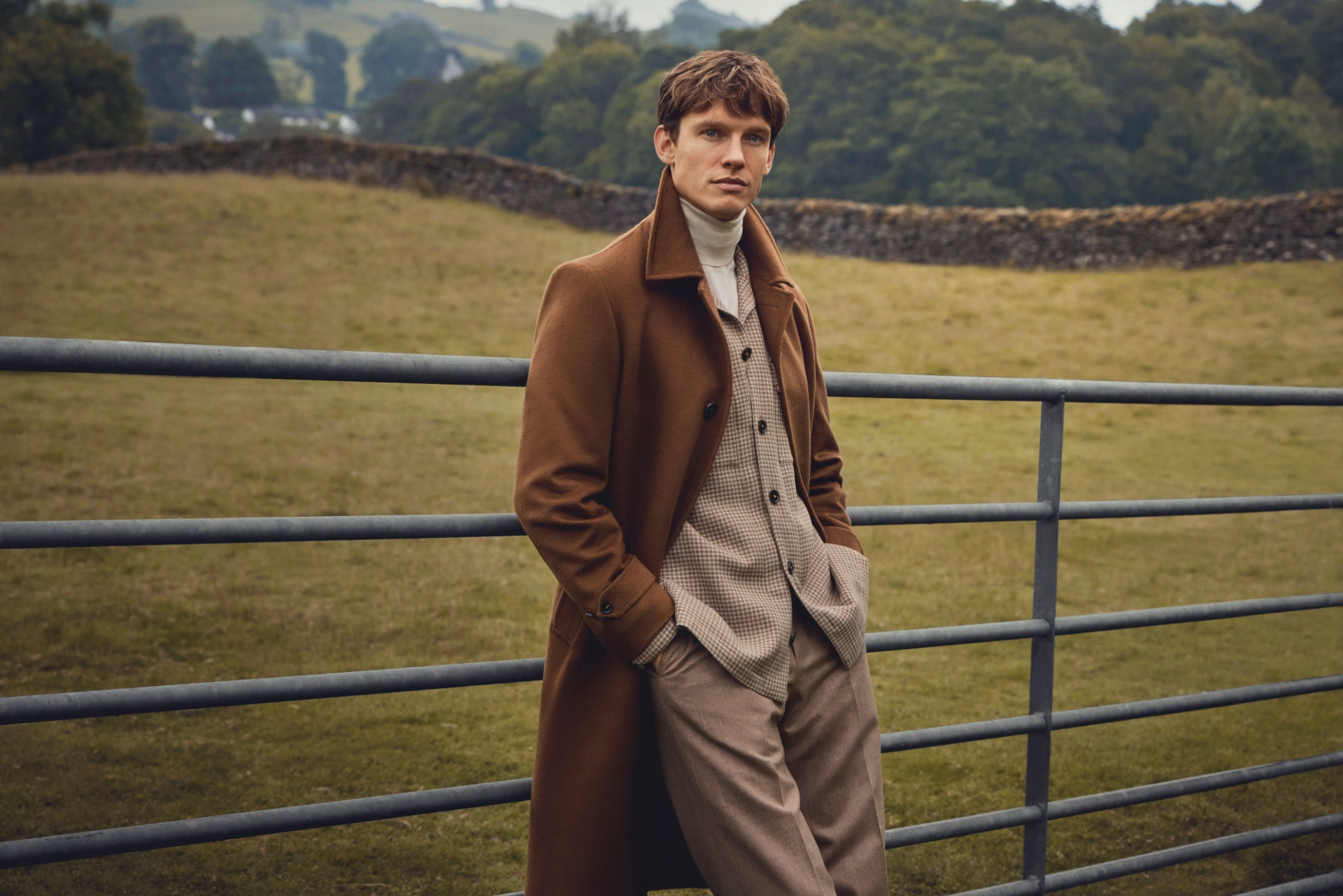
If the workplace leans business casual, a tailored sport coat paired with wool trousers can be appropriate. The execution, however, must remain disciplined. A navy jacket, mid-gray trousers, a crisp white or light blue shirt, and polished leather shoes create a refined business casual interview outfit that still signals preparedness. It is almost always better to be slightly overdressed than slightly underprepared.
Choosing the Right Suit Fabric for a Job Interview
Fabric plays a significant role in how your interview outfit performs throughout the day. Mid-weight wool fabrics, typically between nine and eleven ounces, are ideal for interviews. They drape cleanly, resist wrinkling, and maintain structure from the first handshake to the final conversation.
In late winter or early spring, overly lightweight fabrics can appear insubstantial, while heavy flannel may feel seasonally mismatched. A refined twill, subtle birdseye, or understated texture adds dimension without drawing attention. The fabric should look composed under both natural light and office lighting.
Layering is equally important during transitional months. A tailored overcoat in navy, charcoal, or camel — removed upon arrival — reinforces polish and seasonal awareness. The outer layer should complement the suit beneath it rather than overpower it.
Shirts, Ties, and the Details That Matter
A white dress shirt remains the benchmark for professional interview attire. It projects clarity and formality without excess. Light blue offers a touch of warmth while remaining entirely appropriate. Patterns, if worn, should be subtle enough that they do not dominate at conversational distance.
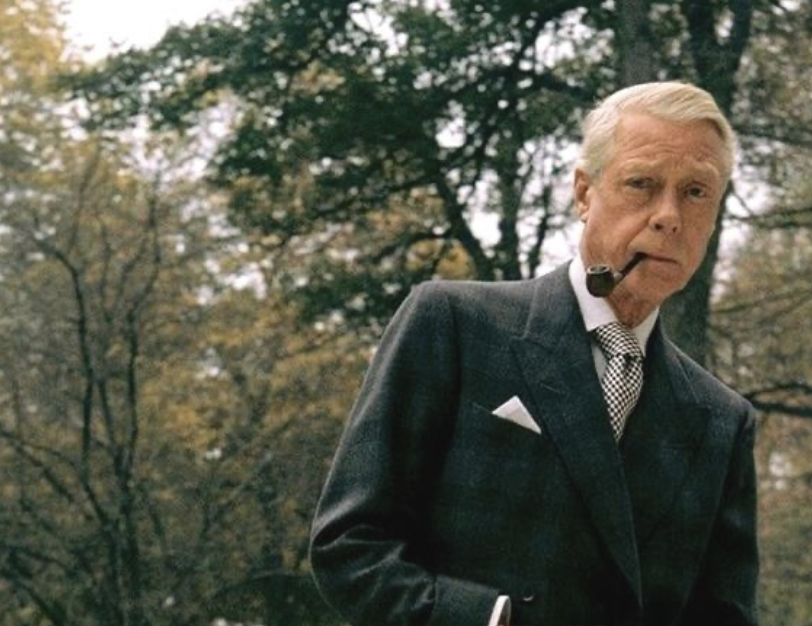
When wearing a tie to a job interview, restraint is key. Navy, burgundy, forest green, and muted tonal patterns provide visual depth without becoming the focal point. Silk remains the standard. The knot should be proportional to the collar, properly centered, and finished at the correct length. These details communicate discipline more than most realize.
If the environment genuinely leans business casual and a tie is omitted, the shirt and jacket must carry the visual weight. The absence of a tie requires sharper tailoring and immaculate pressing. Nothing else can appear relaxed.
Shoes should always be leather and properly polished. Dark brown or oxblood pairs naturally with navy and gray suits. Black works best with charcoal. Belts should match shoes. Socks should ensure no skin is visible when seated. These are quiet signals of thoroughness and professionalism.
How to Dress for Different Interview Environments
Interview attire should align with industry expectations while maintaining authority. In traditional fields such as finance, law, or corporate leadership, a structured suit and tie remain the safest and strongest option.
In technology, design, or creative environments, tailoring may soften slightly. An unstructured jacket or elevated business casual ensemble may feel appropriate, but the garments must still fit impeccably and the fabrics must feel intentional. Casual never means careless.
A reliable guideline when deciding what to wear to a job interview is to dress one level above the expected office standard. This demonstrates respect for the opportunity and an understanding of professional context.
Interview Attire for Women in 2026
Professional interview attire for women follows the same principles of tailoring, fabric, and restraint. A tailored suit in navy, charcoal, or refined neutral tones provides authority without severity. Clean lines and quality materials create presence without distraction.
Blouses should drape neatly and avoid excessive detail. Closed-toe shoes in leather or suede remain appropriate in most professional environments. Accessories should remain minimal and intentional. The goal is the same: confidence that feels natural rather than performative.
The Lasting Impression
Understanding what to wear to a job interview is ultimately about context and composure. Clothing should support credibility, not compete with it. When tailoring fits properly and fabric holds its shape, posture improves. Movement becomes more assured. Presence steadies.
In 2026, interview dress codes may be more flexible, but professionalism remains constant. Dress with clarity. Dress with restraint. Dress as someone who understands that preparation begins long before the first question is asked.
Schedule a Consultation
If you are preparing for an important interview, a career transition, or an executive promotion, the right tailoring can make a measurable difference in how you present yourself.
We invite you to schedule a consultation with our team to refine your professional wardrobe with intention and precision.