Late winter sits in a narrow space between seasons. The calendar suggests progress toward spring, yet the temperature resists it. Mornings remain cold, afternoons soften unpredictably, and evenings return to sharp air. Dressing well during this transitional period requires more than adding or subtracting pieces. It requires understanding fabric weight, proportion, and how garments interact throughout the day.
Late winter layering is not about bulk. It is about balance. The goal is to maintain structure and warmth while introducing lightness and movement that anticipates the coming season.
Transitional Fabrics Define the Look
The foundation of successful late winter layering begins with fabric choice. Heavy winter flannels and dense overcoats often feel excessive by February, yet lightweight tropical wools or linen blends remain premature. Transitional suiting fabrics in the nine to eleven ounce range provide the right equilibrium. They offer warmth without heaviness and structure without rigidity.
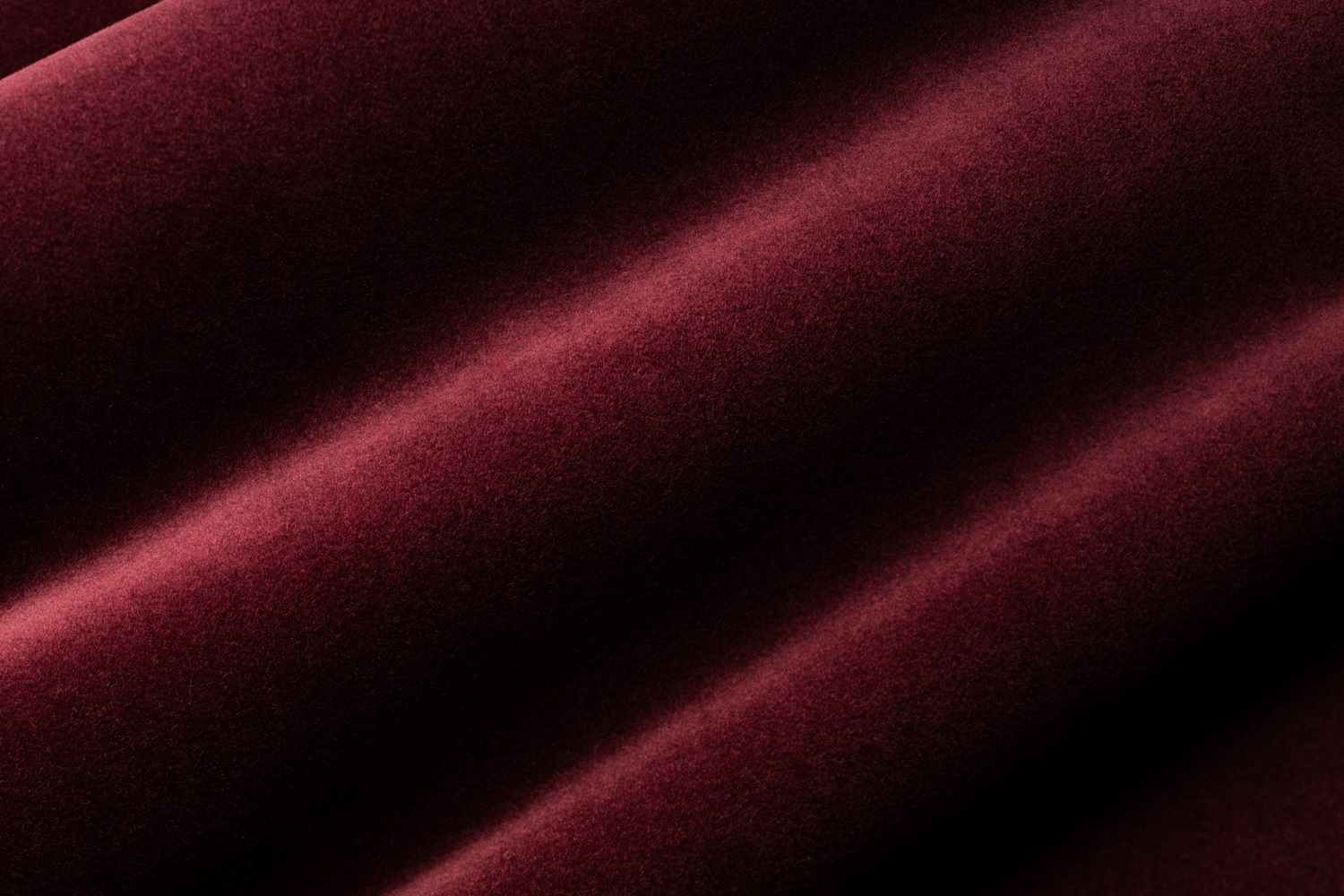
Mid-weight worsteds, softly brushed wools, and subtle cashmere blends allow tailored garments to hold their shape while remaining breathable. For sport coats, textured hopsack, refined tweed with an open weave, and lightly brushed wool blends introduce visual depth without adding unnecessary insulation. These fabrics perform well in fluctuating temperatures and maintain composure from morning through evening.
Cloth determines whether layering feels intentional or reactive.
Building the Base: Shirt and Knit
A well-fitted shirt anchors the look. Crisp white, soft blue, or restrained stripes offer versatility and clarity against transitional palettes. Over this, a fine merino crewneck or lightweight cashmere knit provides controlled warmth without adding visual weight.
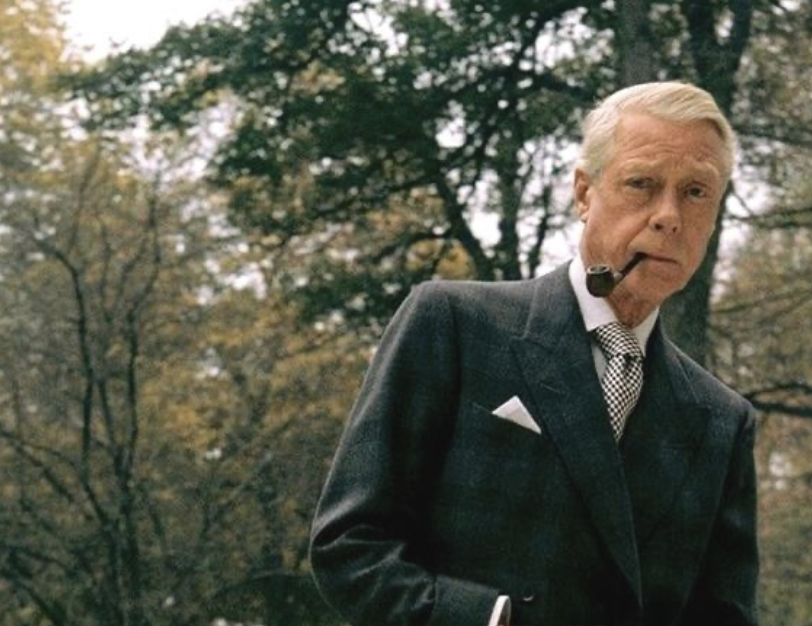
Consider a mid-gray suit layered over a pale blue shirt and finished with a navy merino sweater. The silhouette remains clean. If the knit is removed indoors, the outfit still feels complete. If it remains in place outdoors, it supports the suit without distorting its structure. This adaptability defines effective late winter layering.
Texture also plays a role. Pairing a smooth worsted suit with a lightly brushed knit creates contrast that feels seasonal without appearing forced.
The Transitional Sport Coat
Sport coats become particularly useful during this period. Rather than relying on rustic winter tweeds, late winter favors softer browns, muted olives, slate blues, and understated windowpanes woven in mid-weight wool.
A mushroom-toned jacket layered over a white shirt with charcoal trousers creates depth while signaling the approach of spring. The effect is polished yet relaxed, structured yet breathable. The jacket acts as a bridge between seasons, offering warmth while visually lightening the wardrobe.
Outerwear That Evolves with the Season
Outerwear should begin to shift visually even if it continues to provide insulation. Deep black overcoats often feel too severe at this stage. Charcoal, navy, camel, and mid-gray offer refinement without harshness.
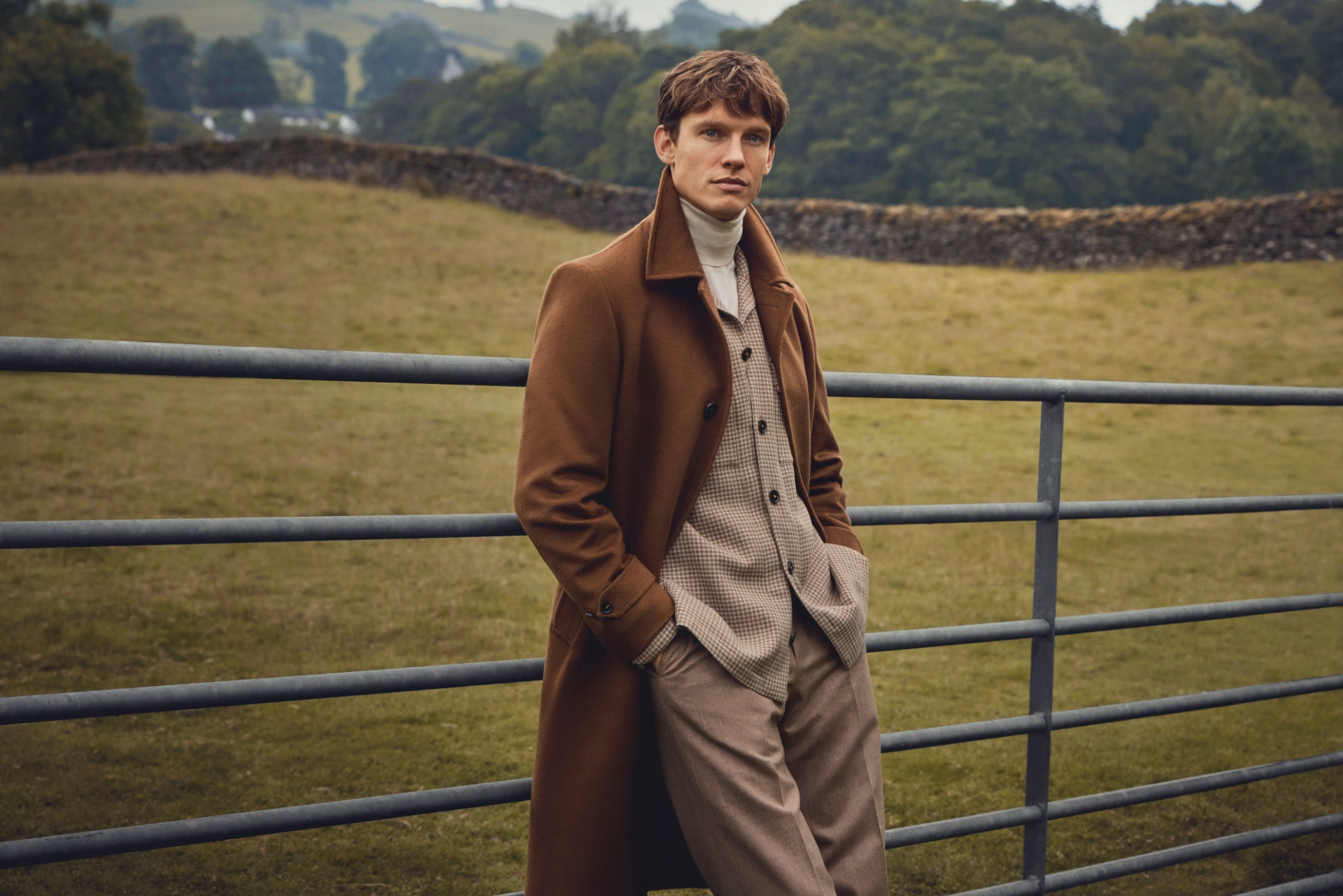
A tailored wool topcoat layered over a knit and sport coat maintains warmth while allowing the interior layers to remain the focal point. The coat should frame the outfit rather than dominate it. In transitional dressing, proportion and color matter as much as weight.
Introducing Lighter Color Gradually
Late winter is the moment to begin easing color forward without abandoning depth. Navy and charcoal remain foundational, but warm neutrals such as taupe, stone, and soft brown begin to replace darker winter tones. Muted greens and dusty blues add variation while maintaining restraint.
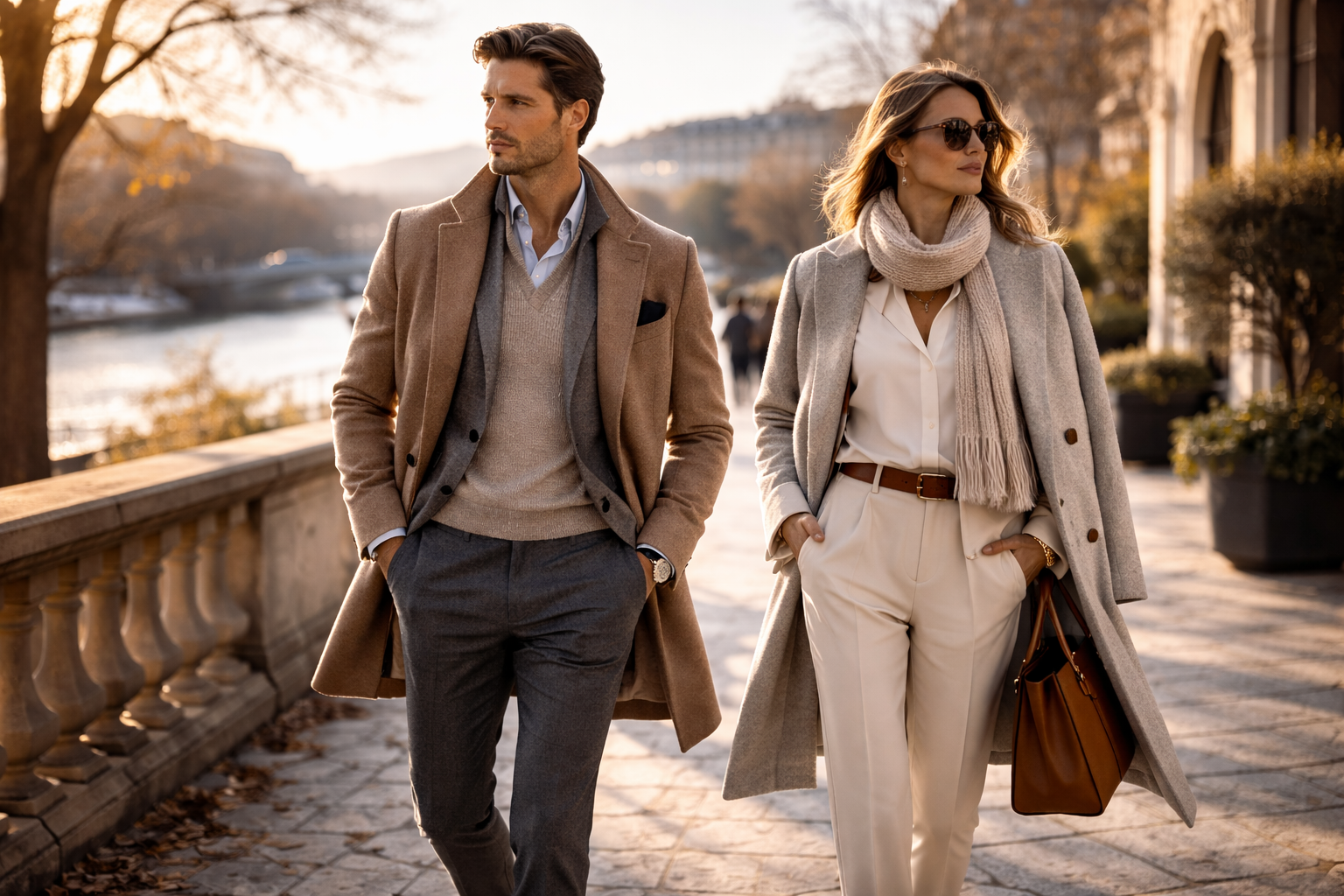
For men, a navy suit paired with a gray knit and brown suede shoes softens the winter palette while retaining authority. For women, tailored trousers in charcoal layered with a cream blouse and camel coat create contrast without feeling abrupt. The movement toward spring should feel gradual and intentional.
Layering for Real Life
Transitional layering is especially important in professional environments and travel. A structured jacket layered over breathable fabrics allows for temperature shifts between office interiors and outdoor commutes. Fine knits can be removed without disrupting the outfit’s balance. Each layer should contribute independently to the overall silhouette.
This is where tailoring and proportion matter most. Sleeve length, jacket construction, and fabric weight determine how comfortably layers sit together. When garments are selected thoughtfully, layering enhances movement and polish rather than restricting them.
The Takeaway
Late winter layering is less about adding clothing and more about refining it. Transitional fabrics, controlled texture, and balanced proportions allow outfits to adapt naturally to fluctuating temperatures. When executed well, layering feels seamless. The wardrobe moves with the season instead of reacting to it.
This period offers an opportunity to reassess fabric weight, color palette, and how individual pieces work together. Dressing the in-between season thoughtfully results in clothing that remains composed, comfortable, and quietly confident.
A More Intentional Wardrobe Starts Here
If you are refining your wardrobe for the transition from winter into spring, we invite you to schedule a consultation with our team. Thoughtful layering begins with understanding fabric, proportion, and construction that align with your daily life.