There are fabric mills, and then there are institutions. Piacenza belongs firmly in the second category. Founded in 1733 in the Biella region of northern Italy, the mill has been producing exceptional wool and cashmere for nearly three centuries. To put that in perspective: Piacenza was already producing fabric more than forty years before the American Revolution. It has survived monarchies, wars, industrial revolutions, and the entire history of modern menswear.
A mill that has continued operating at the highest level for nearly three hundred years is not a common thing in the fabric world. Most manufacturers, even good ones, are measured in decades rather than centuries. Piacenza's continuity is one of the reasons its fabrics carry the character they do. When you touch a length of Piacenza cashmere, you are touching the accumulated knowledge of nearly three hundred years of specialized work.
This is a look at Piacenza, one of the mills we love working with, and one whose fabrics will be increasingly present in our showroom as we transition into fall.
Nearly Three Centuries in Biella
Piacenza was founded in 1733 in the town of Pollone, in the province of Biella, in the Piedmont region of northern Italy. The mill has remained family-owned throughout its history, passed from generation to generation of the Piacenza family. This kind of continuity is rare in any industry, and particularly rare in textiles, where consolidation, closures, and ownership changes have reshaped the landscape repeatedly over the last century.
The mill's endurance is not accidental. Piacenza has always operated at the specialized, high-quality end of the fabric market, producing cloth for the finest tailors, ready-to-wear houses, and clients around the world. It has never tried to compete on price or scale. It has competed on quality, and on the specific expertise of producing wool and cashmere at a level that few other mills can match.
Today the mill continues to operate in Pollone, using facilities that have been refined over centuries but still occupy the same geography where the work began.
The Biella Region and What Makes It Distinct
Piacenza's location matters. The Biella region of Piedmont, tucked into the foothills of the Alps in northwestern Italy, is one of the historical centers of Italian wool production. Along with a handful of other regions in Italy and abroad, Biella is where the finest fabric mills in the world have concentrated, and the reasons have to do with geography as much as history.
The alpine water that flows through the region is exceptionally pure and slightly acidic, which is ideal for washing and processing wool. The climate has traditionally been well suited to sheep farming. And once the industry established itself in the region, several centuries of accumulated expertise made it very difficult for mills elsewhere to catch up.
Today, the Biella region remains the epicenter of Italian wool. Mills like Piacenza, Zegna, Loro Piana, Reda, and Cerruti all trace their origins to the region and continue to produce fabric there. When a bespoke suit is made from a Biella cloth, it carries centuries of regional expertise, along with the specific character of the mill that produced it.
The Piacenza Specialization: Cashmere and the Finest Fibers
Over its long history, Piacenza has developed particular expertise in cashmere and wool-cashmere blends. While the mill produces excellent pure wool cloth as well, its reputation rests substantially on its work with cashmere, and this is where the character of Piacenza fabric is most distinctive.
Cashmere is a demanding fiber. It comes from the undercoat of specific goat breeds in Mongolia, China, and other cold regions, and it requires careful sourcing, processing, and weaving to produce cloth that lives up to the material's potential. Poor-quality cashmere is common. It pills quickly, loses its softness, and disappoints its wearer within a season or two. Excellent cashmere, on the other hand, becomes softer and more beautiful with time, and holds up for many years of wear.
Piacenza's cashmere sits firmly in the second category. The mill sources some of the finest raw cashmere available in the world, processes it with methods refined over generations, and weaves cloth that has a distinctive softness, warmth, and drape. For clients who have experienced Piacenza cashmere in person, the comparison to lesser cashmere is immediately obvious.
Beyond pure cashmere, the mill also produces exceptional wool-cashmere blends, wool-silk blends, and specialty fabrics that incorporate the finest fibers available. Vicuña, one of the rarest and most luxurious fibers in the world, is also part of Piacenza's range for clients whose commissions warrant it.
What Piacenza Fabric Feels Like
Describing fabric in writing has its limits. The hand of a cloth, the specific way it drapes, the character it carries when made into a garment: these are things that ultimately require direct experience to understand fully. But there are qualities of Piacenza fabric that consistently come through in our clients' commissions.
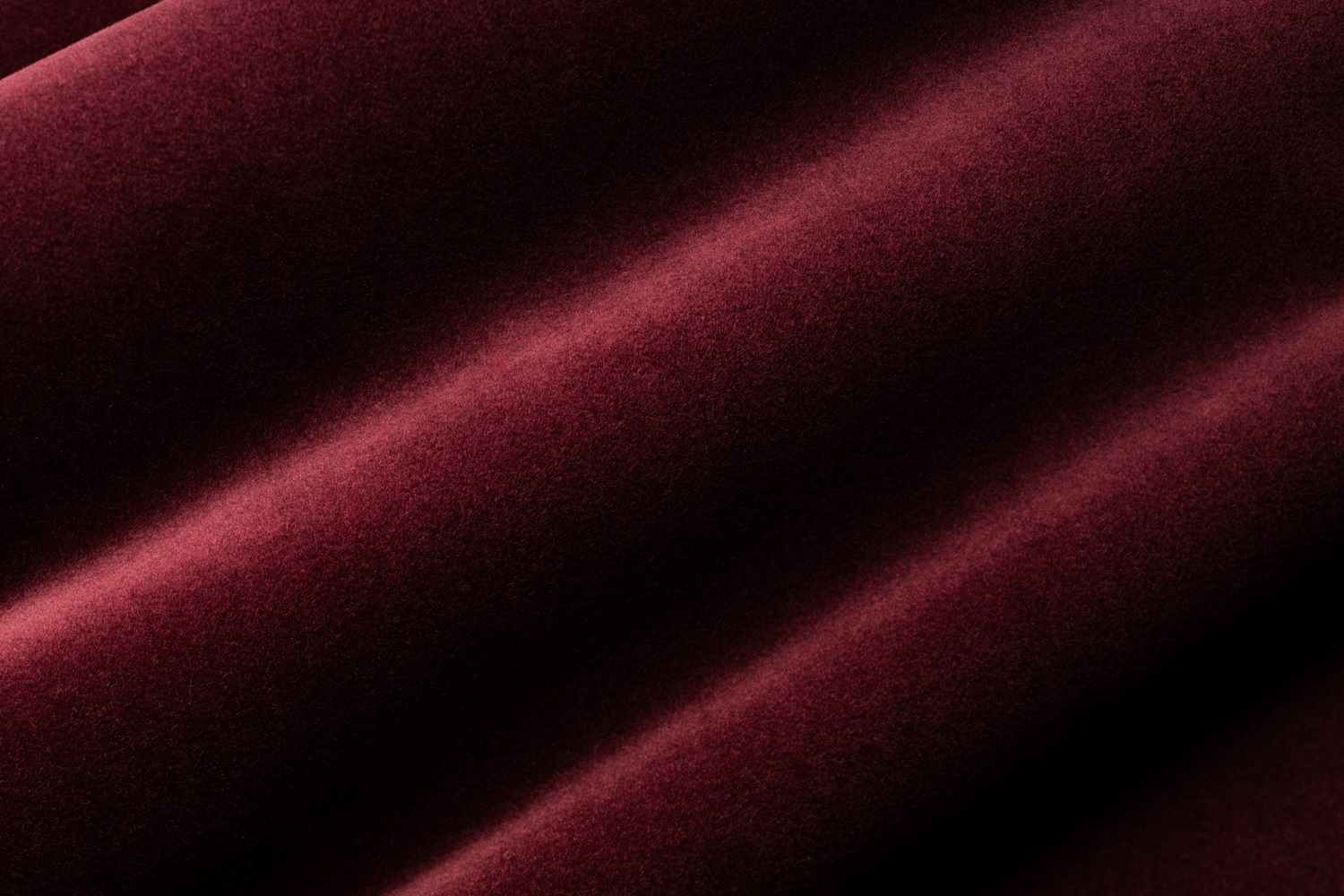
Piacenza cloth has weight without heaviness. Even in cashmere weights that are physically light, the fabric carries a certain presence and structure. It drapes beautifully, holding its line without stiffness. The surface has a subtle softness that reads as luxurious in person even before you touch it.
A jacket or suit made from Piacenza cashmere, or from one of the mill's wool-cashmere blends, carries these qualities into daily wear. It feels different from lesser cloth. It looks different in photographs. And over years of wear, it holds up in ways that reflect the quality of the material.
The Fall Wardrobe Connection
Cashmere season is arriving, and this is why we've timed this piece to open the transition into fall. As we begin turning our attention toward fall commissions in the showroom, Piacenza's fabric collection is one of the first we pull out. The heavier cashmeres, the wool-cashmere blends, and the specialty fall weights all come into their own once the temperature begins to drop.
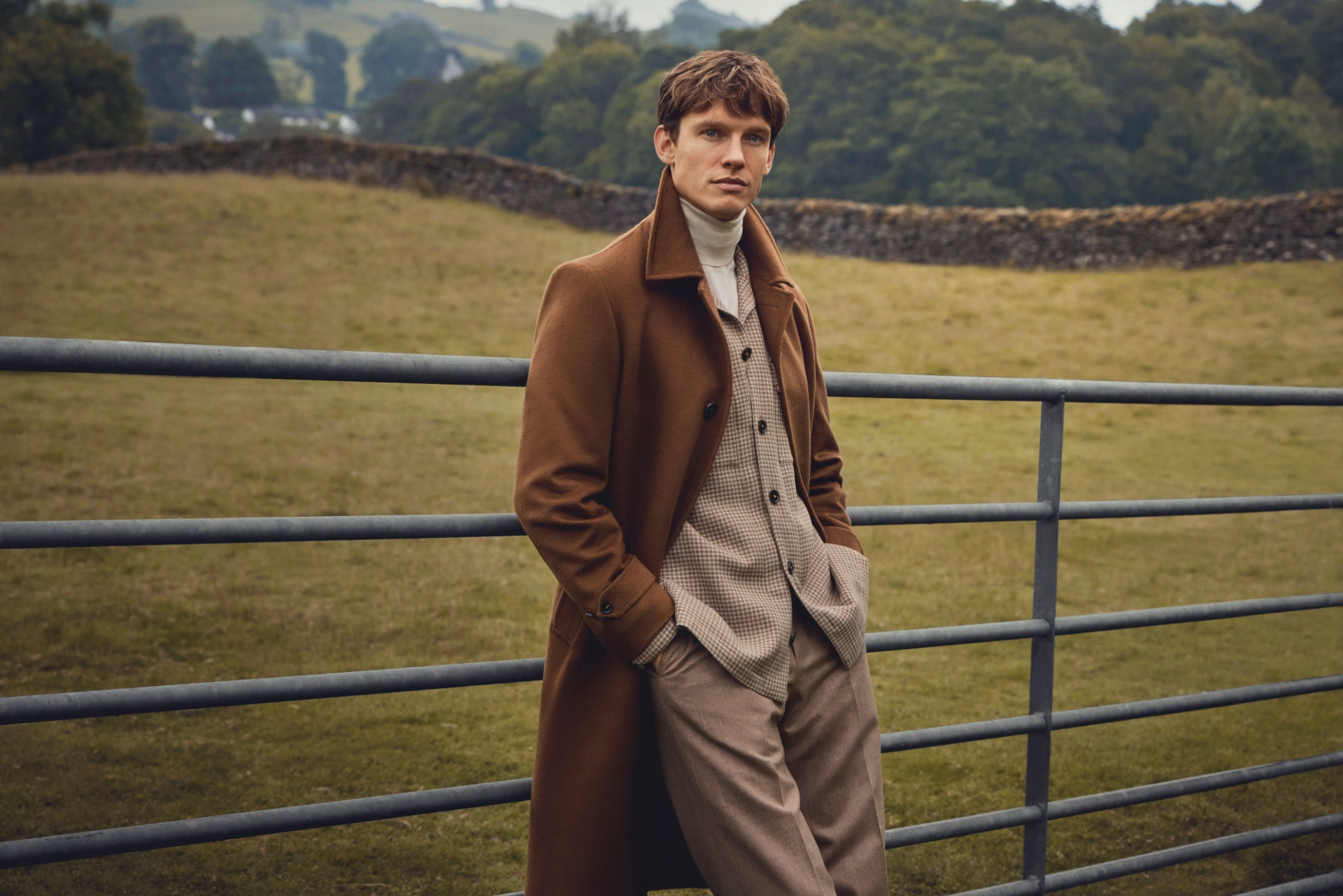
For clients thinking about a fall commission, particularly one that will be worn often and kept for many years, a Piacenza cloth is worth exploring. A cashmere sport coat. A wool-cashmere suit in a rich fall color. An overcoat in one of the mill's exceptional overcoat weights. These are the kinds of garments that reward the investment in fabric quality.
Now is also the practical moment to begin. The six-to-eight week production window means a fall commission started in late August or September arrives in time to wear through the heart of the season. Beyond that, the calendar becomes tight.
Coming In to See It
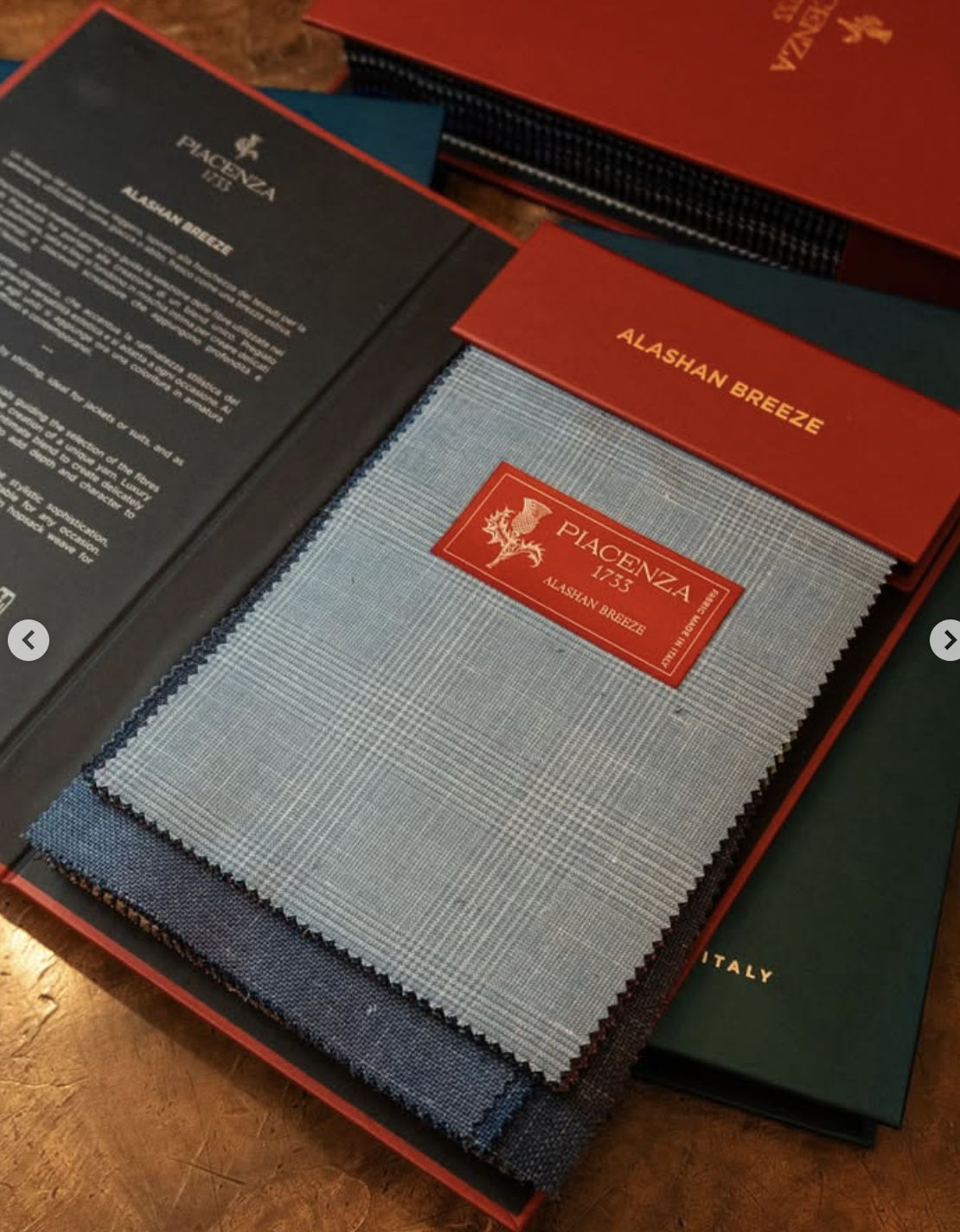
Piacenza is one of the mills we always recommend clients experience in person. Reading about the fabric is one thing. Feeling it, seeing how it catches light, comparing it side by side with alternatives. This is where the character of the cloth becomes real.
If a fall commission is on your mind, or if you're simply curious about what nearly three centuries of Italian wool expertise produces, we welcome the visit. Our fall books are open, and Piacenza's fabrics are among the first we will pull for you. Appointments are available at our Shadyside showroom.
Samuel Baron Clothiers is a bespoke men's clothier located at 201 South Highland Avenue in Shadyside, Pittsburgh, PA. Appointments are required. Call (412) 441-1144 or visit samuelbaronclothiers.com to book.