What Feels Right in Modern Tailoring
In recent years, the phrase soft tailoring has become one of the most frequently used terms in menswear. It appears in magazines, on runways, and in conversations about modern style. The implication is often that traditional structure is disappearing — that jackets are becoming looser, more relaxed, and less formal.
In reality, that interpretation misses the point entirely.
True tailoring has never been defined by stiffness. It has always been defined by balance. A well-made jacket must provide shape and authority while still allowing the body to move naturally. The difference between soft tailoring and structured tailoring is not about abandoning construction. It is about how that construction is distributed within the garment.
Understanding this distinction is essential when deciding what kind of tailoring feels right today.
What Structured Tailoring Actually Means
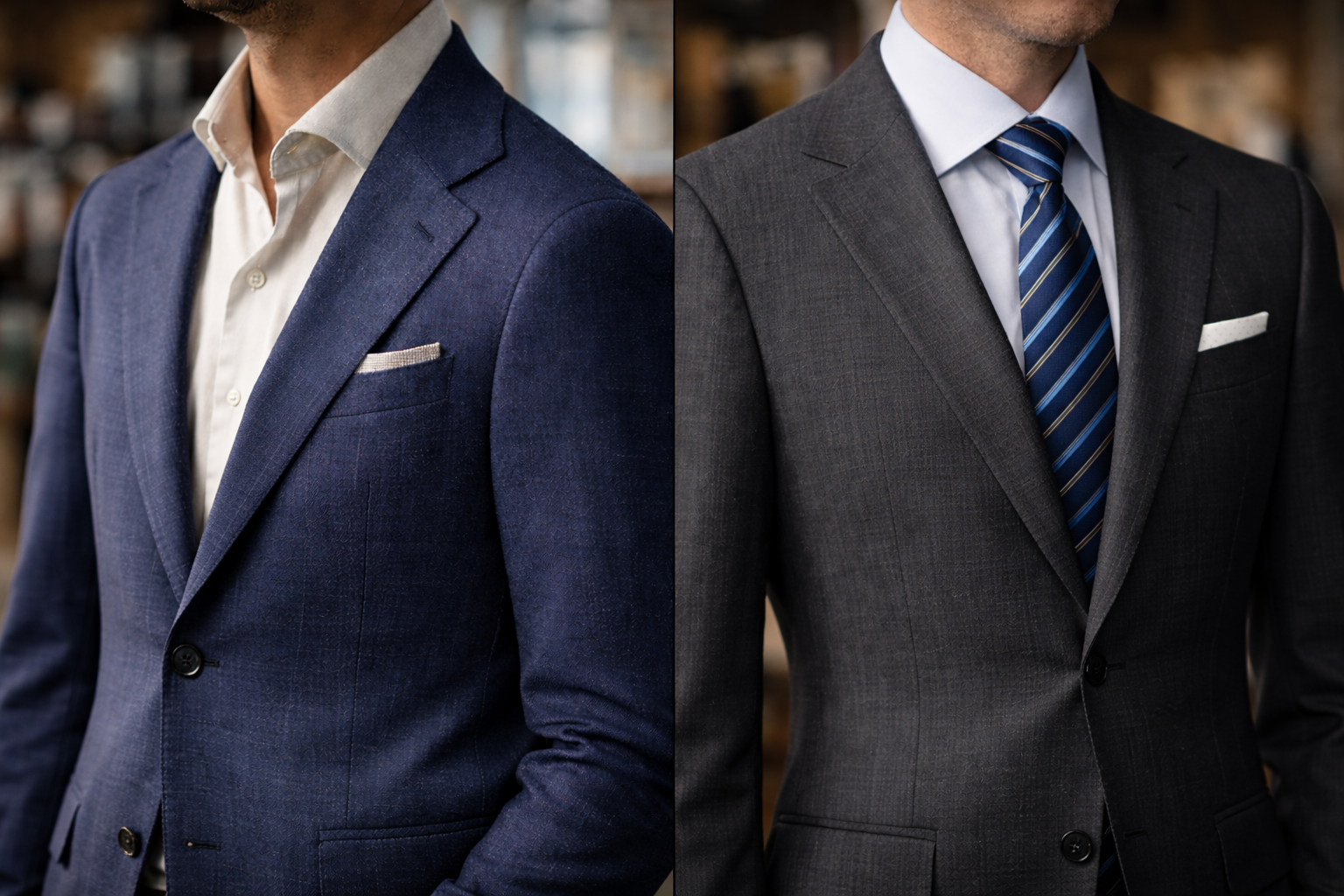
Structured tailoring refers to jackets that rely on internal architecture to shape the body. Canvas layers, chest pieces, and careful padding work together to create a defined silhouette. The shoulder is clean and precise. The chest holds shape. The waist forms a clear line.
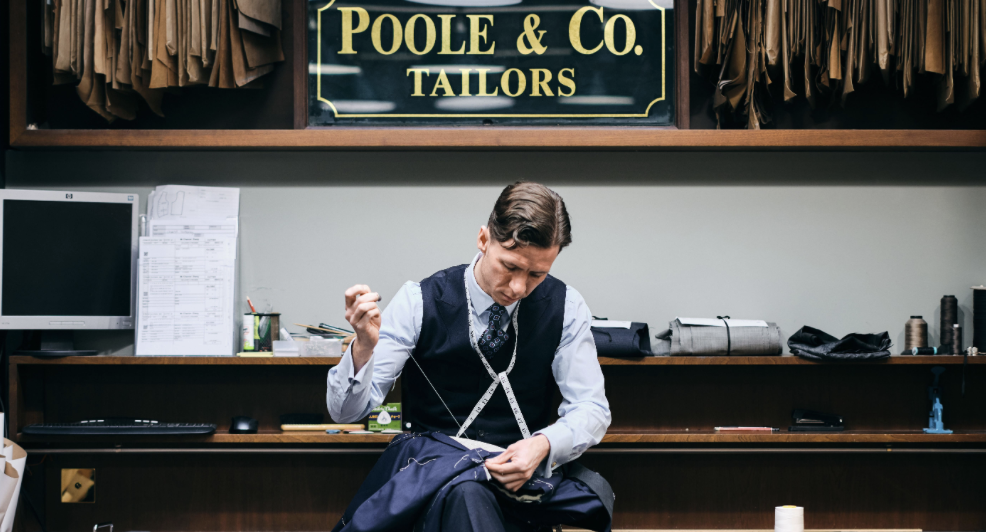
Historically, structured tailoring was the standard in professional clothing. British tailoring houses built jackets with strong chest structure and a disciplined shoulder line designed to enhance posture. The goal was not rigidity for its own sake, but rather presence. The jacket framed the wearer, giving the body a sharper and more authoritative outline.
When executed correctly, structured tailoring creates a powerful silhouette that reads clearly from a distance. It is particularly effective in business environments where visual clarity and confidence matter.
What Soft Tailoring Really Is
Soft tailoring, despite the name, does not eliminate structure. Instead, it redistributes it.
In a softly tailored jacket, the shoulder becomes more natural and the chest construction is often lighter. The jacket follows the shape of the body rather than imposing a strong architectural form over it. The result is a garment that feels more fluid and comfortable while still maintaining the clean lines that define proper tailoring.
Italian tailoring houses have long embraced this approach, favoring natural shoulders and lighter chest structures that allow the jacket to move with the wearer. The silhouette remains refined, but it feels less formal and more expressive.
What soft tailoring does not mean is shapeless clothing. A jacket that collapses or loses its line is not softly tailored — it is simply poorly constructed.
Why Modern Tailoring Combines Both
The most successful tailoring today rarely sits at either extreme.
Modern jackets often combine the strengths of both approaches. The shoulder may remain natural and comfortable, while the chest retains enough structure to maintain shape. The waist remains defined, but the garment allows for movement rather than rigidity.
This balance reflects how clothing is worn today. Men move between professional environments, travel frequently, and expect comfort without sacrificing presence. Tailoring has responded by refining construction rather than abandoning it.
A properly balanced jacket should feel comfortable the moment it is worn, yet still maintain its silhouette throughout the day.
Choosing What Feels Right
The choice between softer and more structured tailoring ultimately comes down to lifestyle, body type, and personal preference.
Someone who spends most of their time in formal business settings may prefer the clarity and authority of a more structured jacket. The defined chest and shoulder create a silhouette that communicates professionalism immediately.
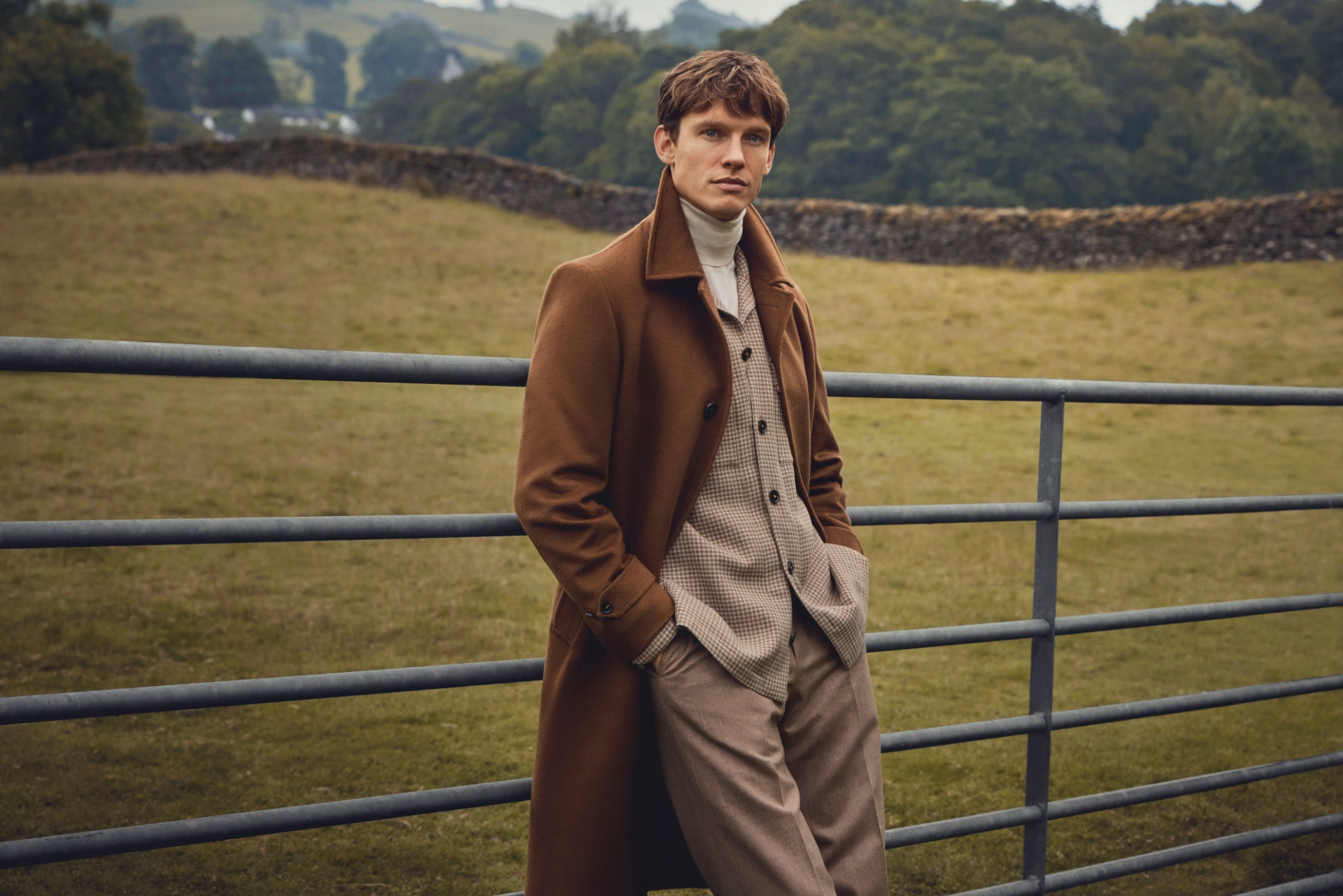
Others may gravitate toward softer construction that moves more easily with the body and feels relaxed without appearing casual. This approach often works particularly well in creative industries or social environments where formality is less rigid.
The key is not choosing one philosophy over the other, but finding the balance that suits the wearer.
The Direction of Tailoring in 2026
What feels right in tailoring today is neither rigid nor relaxed. It is controlled.
Jackets should move naturally with the body while maintaining a clear silhouette. The shoulder should feel comfortable without collapsing. The chest should retain shape without feeling heavy.
In other words, modern tailoring favors refinement over extremes. It preserves the principles that have always defined good clothing while adapting construction to modern expectations of comfort and mobility.
That balance is what makes tailoring feel current without losing its sense of permanence.