There is a moment, sometime in late March, when the light changes. The air is still cool but the quality of the day has shifted, and the wardrobe feels suddenly wrong. The suits that carried you through winter feel heavy. The cloth that was exactly right in November has no place in April.
This is not a trivial observation. It points to something fundamental about how clothing works: the fabric is not incidental to the garment. It is the garment. The cut matters, the construction matters, but everything begins with the cloth — its weight, its weave, its behavior in a given season. Choose wrong, and even the most beautifully constructed suit will work against you. Spring is when this truth becomes most visible, and it is why, at Samuel Baron Clothiers, fabric selection receives as much care as any other part of the bespoke process.
Why Weight Is the Starting Point
When clients come in for a spring appointment, the first question is almost never about lapel width or button stance. It's about weight.
Fabric weight is measured in ounces per yard or grams per meter. A heavy winter cloth might run 14 to 16 oz. A true spring and summer fabric lives in a different world entirely, typically 7 to 10 oz, and in some cases lighter still. The difference is not subtle. A lighter cloth breathes and moves with you rather than around you. In warmer air, it doesn't trap heat against the body, which matters enormously over a long day of meetings, travel, or an evening out. Weight also affects drape in ways that have nothing to do with fit. A well-chosen spring fabric can make a suit feel effortless in a way that a winter cloth, however well constructed, simply cannot replicate.
Understanding Super Numbers
At some point in the fabric selection process, most clients encounter the term "Super" followed by a number. Super 100s, Super 120s, Super 150s and beyond. It's worth understanding what this actually means before it shapes a decision.
The Super number refers to the fineness of the wool fiber, specifically how many 560-meter lengths of yarn can be spun from one kilogram of wool. A higher number indicates a finer fiber. Super 100s is an excellent, durable cloth well suited to daily wear. Super 120s offers a noticeably finer hand and a subtle sheen. Super 150s and above move into the realm of exceptional softness and drape, cloths that reward careful handling and reward the wearer in kind.
For spring suiting, the practical range for most clients sits between Super 100s and Super 150s. The finest cloths, Super 170s and above, are reserved for full-hand construction, where every stitch is sewn by hand, because the fabric demands that level of care. It's also worth noting that a higher Super number is not inherently better for every client or purpose. A Super 120s tropical-weight wool will outlast and outperform a Super 150s cloth for someone wearing their suit daily. The right choice depends on how the garment will be used, how it will be cared for, and what the client values most in the wearing.
The Fabrics of Spring
Within the appropriate weight range, spring suiting offers several distinct cloth types, each with its own character and ideal applications.
Fine Wool
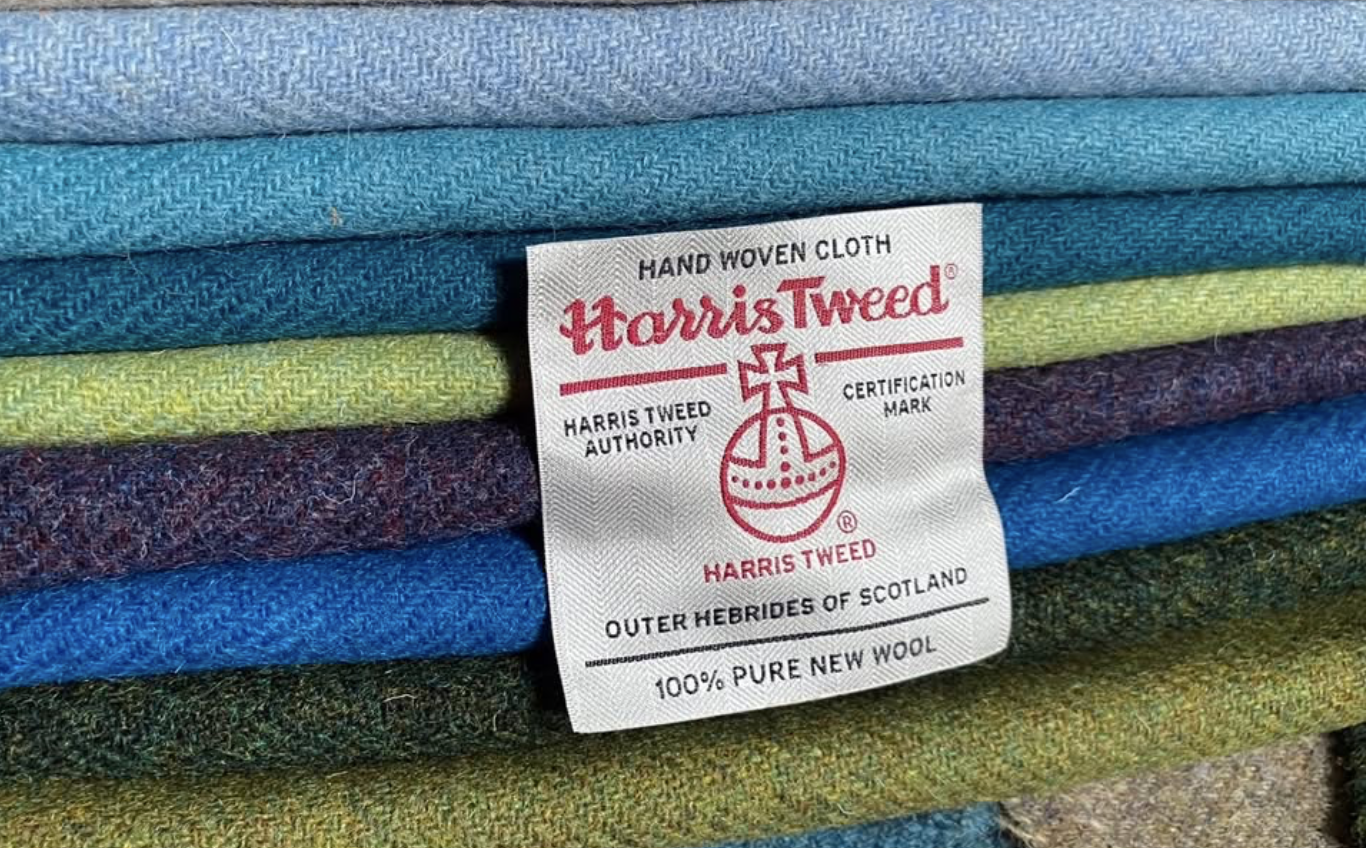
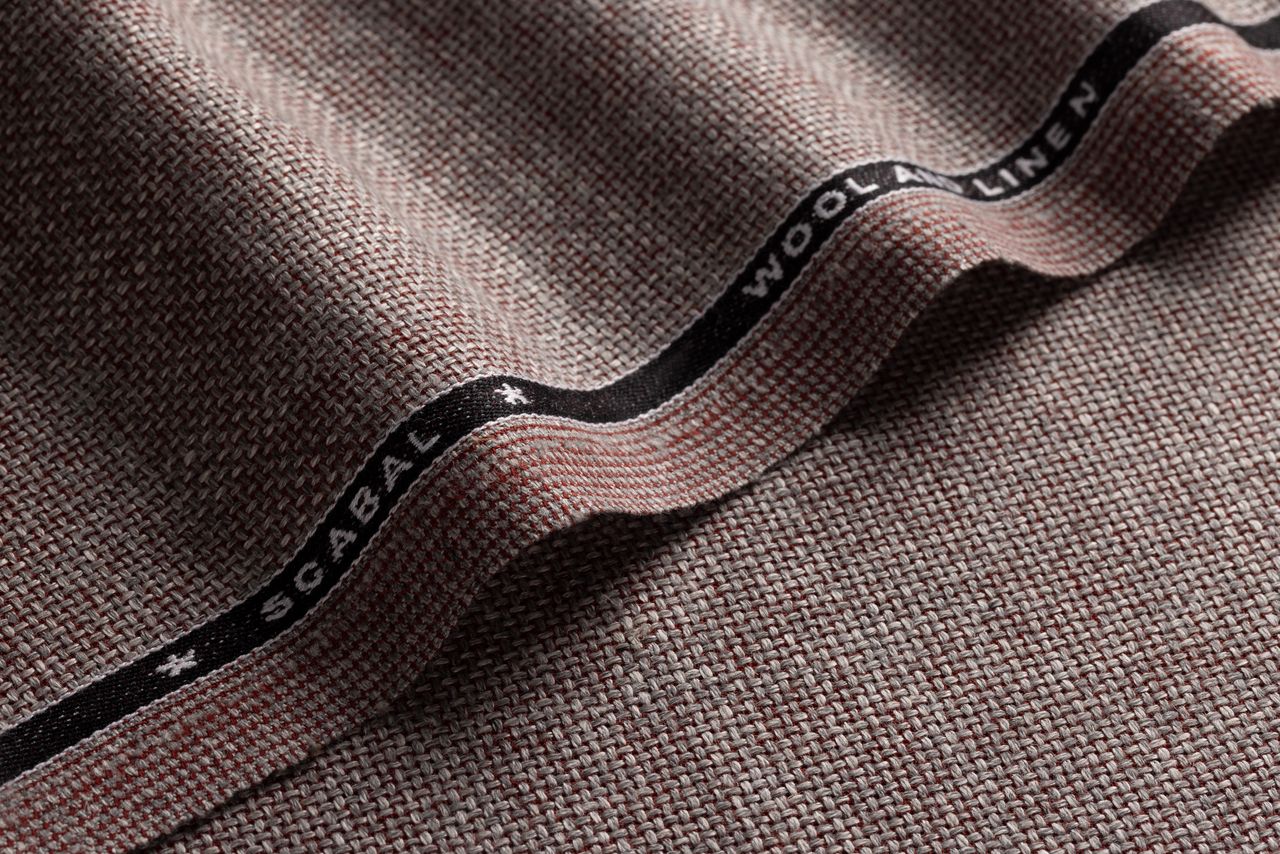
Fine wool is the most versatile spring option and the foundation of most professional wardrobes. A lightweight wool in the 9 to 11 oz range offers the structure and drape of a proper suit cloth while breathing well in warmer conditions. It presses cleanly, recovers from travel, and works across a wide range of occasions, from a full day of client meetings to a spring wedding. The mills we work with, among them Loro Piana, Scabal, and Zegna, produce wools that represent some of the finest cloths available anywhere, each with a distinct character. Loro Piana's are renowned for exceptional softness. Scabal brings a particular elegance and depth of color. Zegna is known for technical performance and consistency across seasons.
Wool-Silk Blends
Adding silk to a wool base does several things at once: it increases the cloth's natural sheen, softens the hand, and improves drape in a way that is difficult to achieve with a single-fiber fabric. Wool-silk blends have a luminosity that photographs well and reads as genuinely refined in person, which is why they are often the right answer for spring and summer occasions, weddings in particular. The trade-off is care. Silk blends require more attention than a pure wool and are not the choice for a suit worn daily under demanding conditions. For garments built around occasion and longevity, however, they are exceptional.
Linen and Linen Blends
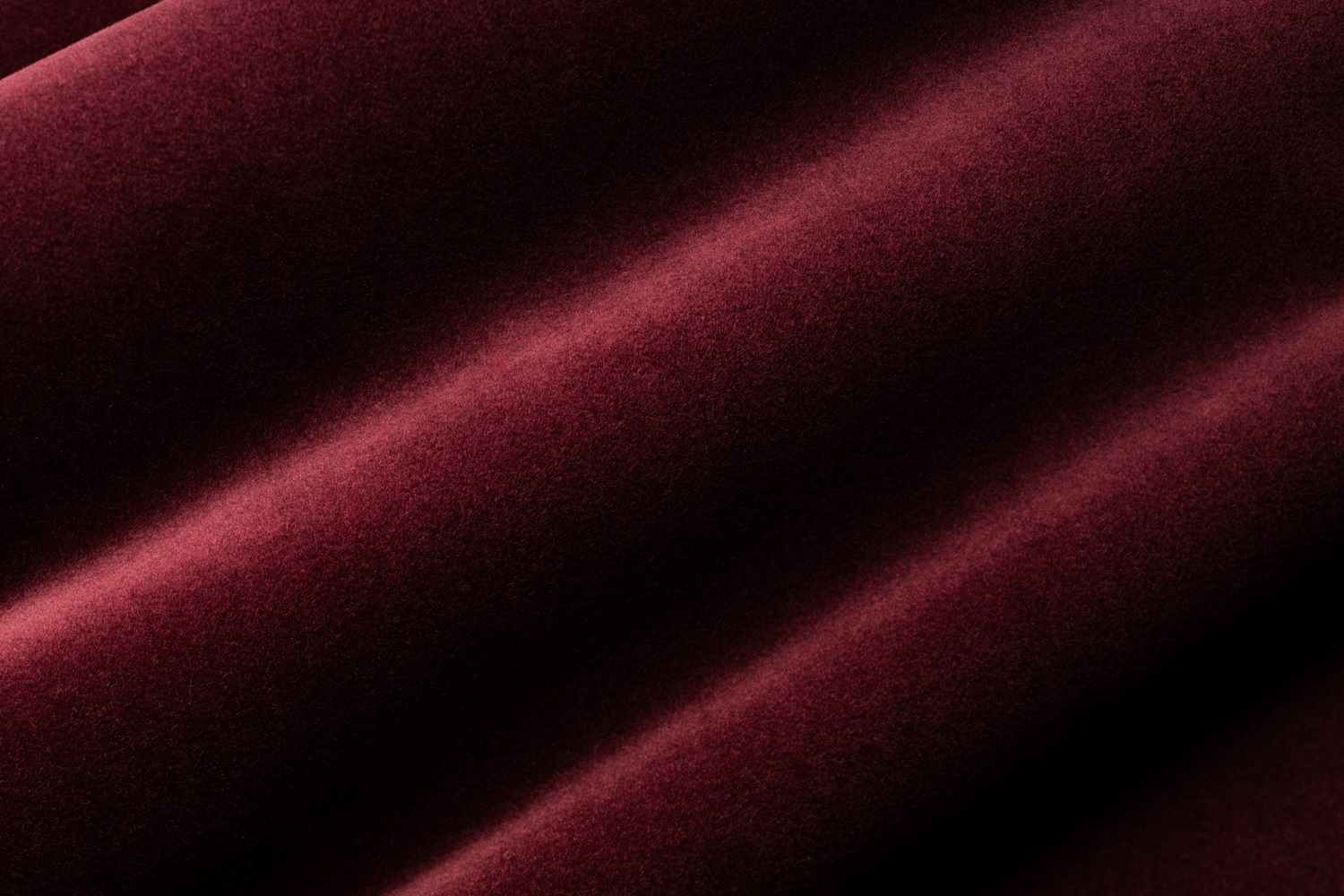
Linen is the most honest spring fabric, in the sense that it makes no attempt to behave like something it isn't. It wrinkles, and when it does, it looks exactly right in the way that only linen can. There is a particular ease to a well-cut linen suit that no other cloth quite captures. Pure linen works best for clients who have embraced its character fully, the casual elegance, the visible texture, the fact that it will never look like a business suit, nor should it. For those who want linen's lightness and breathability with more structure and recovery, a linen-wool or linen-silk blend softens the tendency to wrinkle while preserving the cloth's essential warmth and ease.
Tropical Weight Wool
Tropical weight wool is a category unto itself. These are tightly woven, very lightweight wools, often in the 7 to 8 oz range, designed specifically for warmth and humidity. The tight weave gives them a smooth surface and a degree of structure that looser weaves cannot match. They breathe exceptionally well, press cleanly, and recover from a long day in a way that recommends them strongly for summer travel and warmer climates. For a client who needs to maintain a polished, professional appearance through the warmer months, tropical weight is frequently the most practical choice in the collection.
How Cloth Shapes the Garment
What is easy to overlook in a conversation focused on style decisions is that the cloth does not merely fill a pattern. It participates in the construction. A heavier cloth requires a different canvas and interlining than a lightweight tropical wool. A linen behaves differently on the cutting table and under the iron than a wool-silk blend. The hand of the cloth, how it feels and moves before a stitch is sewn, tells an experienced clothier a great deal about how the finished garment will perform and how it should be built.
This is one of the reasons the first appointment at Samuel Baron begins with the fabric books. Before measurements are taken or style decisions are made, we talk about cloth. What occasions will the garment serve? What does the client's day actually look like? How do they want to feel when they put it on? The answers to those questions shape everything that follows, because in bespoke clothing, the right fabric and the right construction are not separate considerations. They are the same conversation.
A Final Word on Investment
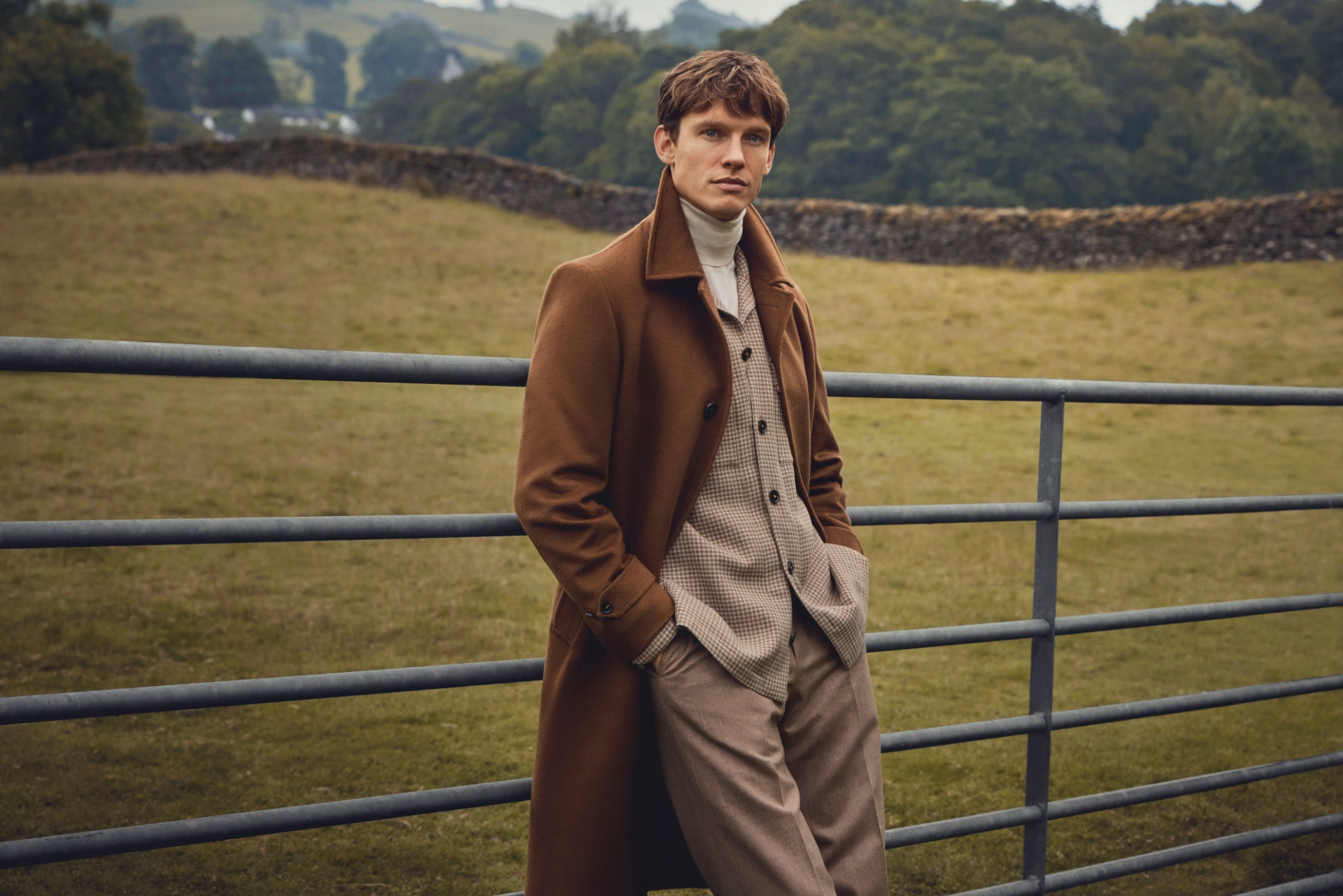
A bespoke spring suit, built from the right cloth and constructed from a pattern drafted specifically for you, will serve you across more seasons and occasions than almost any other wardrobe investment you could make. A fine lightweight wool or a tropical weight can carry a professional wardrobe from April through September. A wool-silk blend, chosen well, can be the suit worn at every significant occasion for the next decade. The cloth you choose at the beginning of this process is not a detail. It is the foundation, and it is worth choosing carefully.
Our SS26 fabric collection has arrived at the showroom. We would welcome the opportunity to show it to you.
Samuel Baron Clothiers is a bespoke men's clothier located at 201 South Highland Avenue in Shadyside, Pittsburgh, PA. Appointments are required. Call (412) 441-1144 or click here to book.