A tie is rarely the loudest element of an outfit, yet it is often the most revealing.
It frames the shirt, anchors the jacket, and quietly communicates how well a man understands proportion and occasion. A well-chosen tie refines a tailored look. A poorly chosen one disrupts it. The difference is rarely dramatic, but it is always noticeable.
Luxury ties are not defined by branding. They are defined by fabric, construction, proportion, and intention. Understanding those elements changes everything.
Fabric Is the Foundation
The fabric of a tie determines not only how it looks, but how it behaves.
Silk remains the standard for good reason. A high-quality silk tie carries natural luster without appearing shiny. It drapes cleanly, knots smoothly, and holds shape throughout the day. Woven silks offer texture and dimension, while printed silks tend to feel lighter and more fluid.
Grenadine silk deserves particular attention. With its open weave and subtle texture, grenadine offers depth without heaviness. It bridges formal and relaxed environments effortlessly, making it one of the most versatile luxury tie fabrics available. Paired with a navy or charcoal suit, it feels polished without feeling rigid.
Wool and wool-blend ties carry more weight and visual texture. In cooler months, a fine wool tie paired with flannel suiting creates cohesion. The texture of the tie should complement the cloth of the suit. Smooth worsted suits pair beautifully with woven silks, while brushed fabrics welcome more tactile ties.
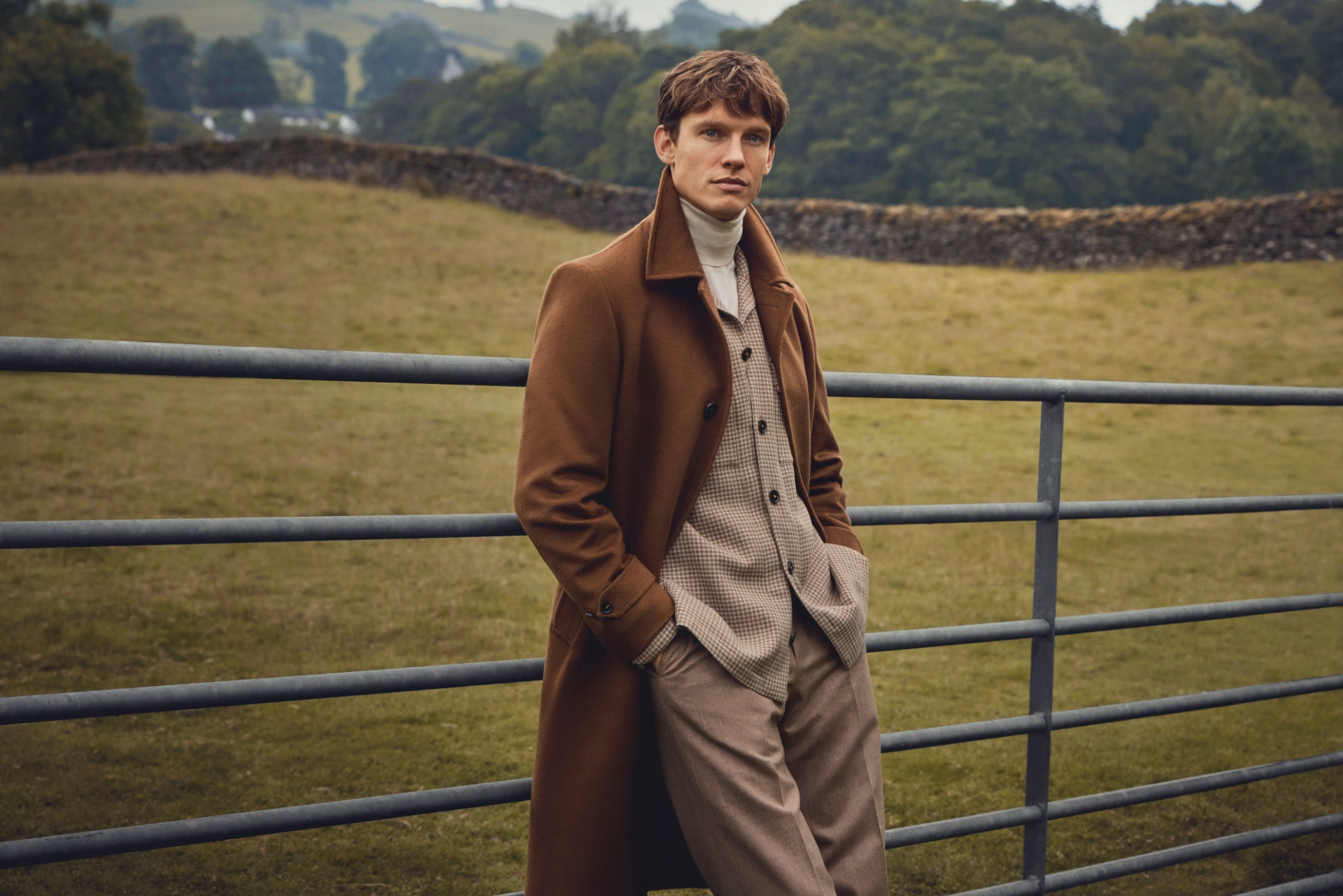
Knit ties, particularly in silk or wool, soften a tailored look. Their squared ends and textured weave signal intention rather than formality. They are ideal for business casual settings or transitional seasons when structure is desired but stiffness is not.
Choosing the right tie fabric is about harmony. The tie should echo the suit, not compete with it.
Width and Proportion Matter More Than Trend
Tie width should align with the proportions of the jacket lapel.
Extremely narrow ties tend to feel dated and restrictive, while overly wide ties appear theatrical. A balanced width, generally between three and three and a quarter inches depending on body type and lapel width, maintains visual symmetry.
The goal is continuity. The widest part of the tie should feel proportional to the lapel at its widest point. When those lines align, the silhouette feels intentional and composed.
Proportion extends beyond width. The length of the tie should allow the tip to rest precisely at the waistband. Anything shorter or longer interrupts the vertical line of the outfit.
The Knot: Structure Without Bulk
The knot is where craftsmanship becomes visible.
A Four-in-Hand knot remains the most elegant and versatile choice. It creates a slightly asymmetrical shape that feels natural and confident. It pairs well with most collars and avoids unnecessary bulk.
For wider collar spreads or more formal settings, a Half Windsor provides slightly more structure while maintaining proportion. A full Windsor should be reserved for occasions that demand stronger formality and wider collars. In most modern tailoring, excessive knot size can overwhelm the neckline.
The ideal knot fills the collar space cleanly without strain. It should form a subtle dimple beneath the knot, allowing the tie to fold naturally. That small indentation is not decorative. It signals proper tension and balance.
When to Wear What
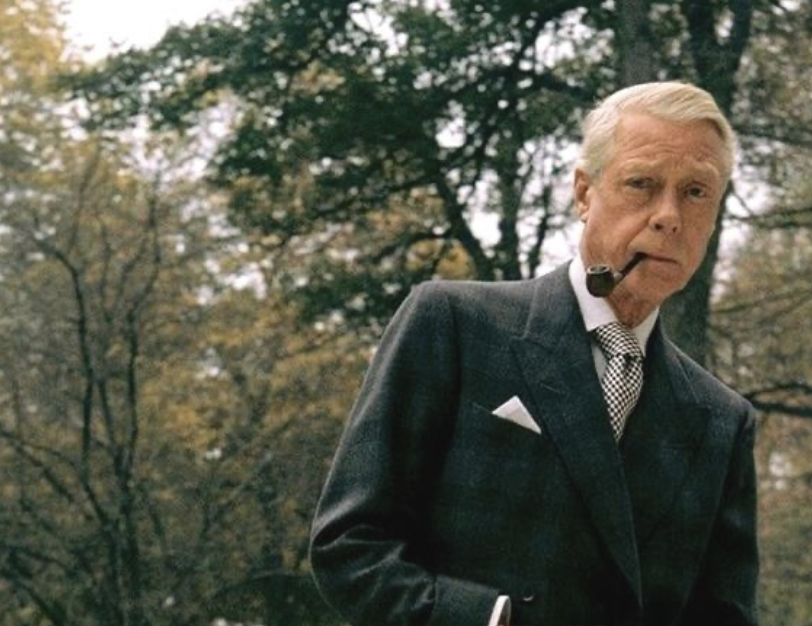
A navy silk tie in a subtle texture remains the cornerstone of professional dress. It carries authority without distraction and pairs effortlessly with gray or navy suiting.
Deep burgundy or forest green woven silks add dimension while remaining restrained. These tones transition easily from office to evening.
Grenadine silk excels in business settings where refinement is required but stiffness is not. It is particularly effective with mid-gray, charcoal, or brown suits.
Wool ties belong in cooler seasons and pair best with flannel or brushed suiting. Their texture should mirror the weight of the garment.
Knit ties thrive in relaxed professional environments or styled with sport coats. They soften structure while maintaining intention. The luxury tie is not chosen to stand out. It is chosen to complete the composition.
The Tie as a Signal of Craft
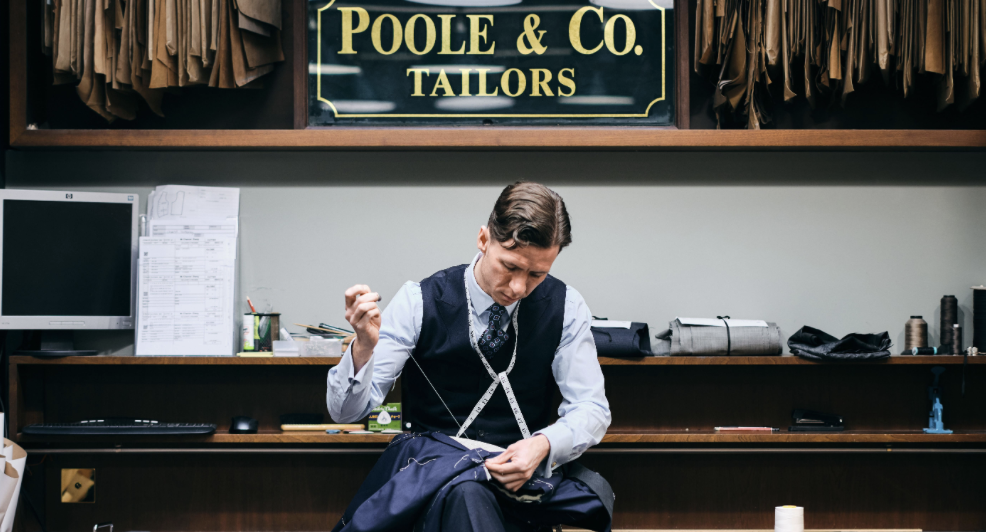
In custom clothing, details accumulate quietly.
The tie interacts with the lapel roll, the collar spread, and the jacket construction. A properly chosen tie enhances the line of the jacket and draws the eye upward without overpowering the face.
Construction also matters. Hand-rolled edges, precise stitching, and quality interlining allow the tie to recover its shape after wear. A tie should drape naturally and resist twisting throughout the day.
When these elements align, the tie does not demand attention. It earns it.
The Takeaway
The luxury tie is not an accessory added at the end. It is part of the architecture of tailored clothing.
Fabric determines texture and season. Width defines proportion. The knot shapes the structure. Together, they influence how a suit feels and how a man is perceived.
A well-chosen tie completes the suit rather than competing with it.