Late winter is an awkward season for clothing.
The cold hasn’t fully let go, but the days are longer, the light is different, and suddenly the suit that felt perfectly reasonable in December feels… heavy. Not wrong — just out of step.
This isn’t a style failure. It’s a timing issue.
February is the moment when a wardrobe quietly asks for attention. Not a reset. Not a shopping spree. Just an honest look at what’s still doing its job — and what’s ready to step aside until next year.
Why Late Winter Is the Right Time to Reassess
Clothing lives in context. Fabric, structure, and proportion all respond to temperature, light, and routine. As winter progresses, those variables begin to shift:
- Days become brighter
- Indoor environments feel warmer
- Heavy layering loses its practicality
- Visual weight becomes more noticeable
What worked effortlessly earlier in the season may now feel cumbersome, even if the weather hasn’t dramatically changed. This is why well-dressed men reassess in late winter rather than waiting for spring to force the issue.
The goal isn’t replacement. It’s alignment.
What Still Works (And Works Well)
Late winter remains an excellent season for tailoring — provided the pieces were chosen with restraint.
Structured suits in charcoal, navy, and mid-grey continue to anchor a professional wardrobe. Flannels, brushed twills, and denser worsteds still offer warmth and presence, particularly in environments where polish matters.
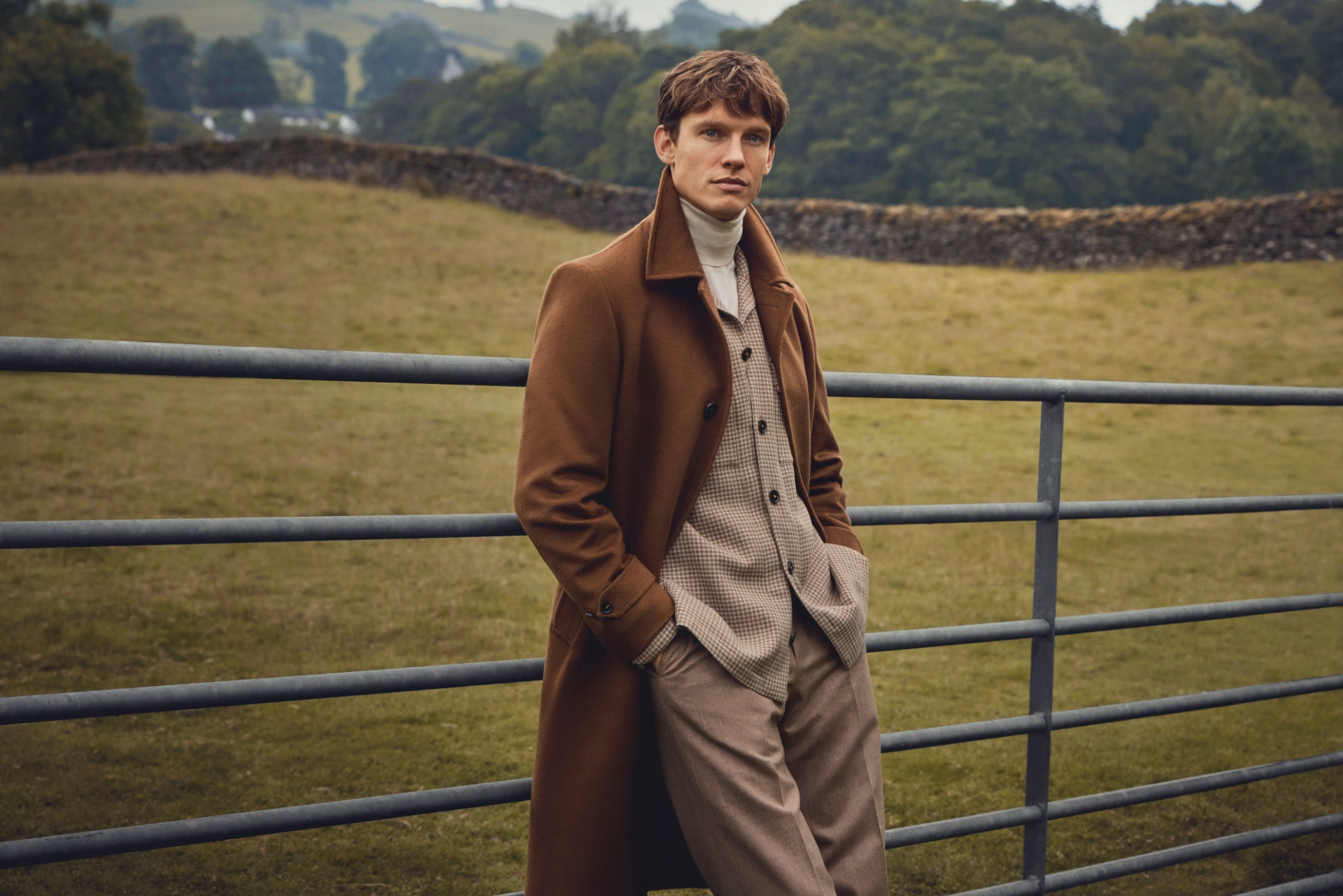
Outerwear also earns its keep. A properly proportioned overcoat or tailored topcoat remains indispensable well into March, especially when mornings still bite.
Even knitwear has its place — though refinement matters more now than bulk. Fine-gauge knits and subtle textures transition far more gracefully than oversized sweaters or novelty pieces.
In short, garments designed with intention tend to age well. Pieces chosen purely for insulation tend to feel tired first.
What Starts to Feel Heavy (And Why)
Late winter exposes excess.
Very thick fabrics, aggressive textures, and high-contrast patterns often begin to feel visually out of sync with the season’s changing light. Even when they remain warm, they can feel disproportionate to daily life — especially indoors.
This is also when many men realize certain suits feel oppressive once they’re out of the cold. If a jacket feels like it’s working harder than you are, the issue isn’t style — it’s seasonal weight.
Those garments aren’t “bad.” They’re simply done for now.
Knowing when to pause a piece is just as important as knowing when to buy one.
Why Fit Becomes More Noticeable Right Now
As layers thin, fit becomes harder to ignore.
Winter sweaters and heavier shirts do a remarkable job of hiding small proportion issues. As those layers disappear, jackets and trousers take center stage. Sleeve length, jacket balance, and trouser break suddenly matter more.
This is often the moment men realize they’ve been tolerating minor fit issues longer than they should — not because they didn’t care, but because winter disguised them.
Late winter is an ideal time to reassess how garments actually sit on the body, especially as they’ll soon be worn with lighter layers.
Smart Updates Without Starting Over
The best late-winter updates are subtle.
Rather than rushing into new suits, consider:
- Rotating in lighter shirts beneath winter tailoring
- Softening heavier looks with transitional ties and accessories
- Re-evaluating combinations instead of individual garments
A navy suit paired with a winter flannel shirt tells a very different story than the same suit worn with a crisp twill or poplin. Small changes like these keep a wardrobe seasonally appropriate without jumping ahead.
This is refinement, not reinvention.
Planning Ahead (Without Dressing for Spring Yet)
February is also when foresight pays off.
While it’s too early for linen and summer palettes, it’s not too early to plan. Fabric availability, production timelines, and fitting schedules all reward calm preparation rather than urgency.
Men who wait until spring arrives often find themselves rushed into decisions. Men who plan in late winter tend to enjoy better choices — and better results.
Custom clothing, especially, benefits from patience.
A Wardrobe That Evolves Feels Effortless
The strongest wardrobes don’t change abruptly. They evolve.
A late-winter wardrobe check isn’t about finding faults. It’s about recognizing what’s still serving you well, what’s ready to rest, and how to transition forward without forcing the season.
When done thoughtfully, the result isn’t novelty — it’s confidence.
Next Steps
If you’re considering how your wardrobe should transition from late winter into spring — or evaluating whether certain pieces still reflect how you want to dress — we invite you to schedule a consultation at Samuel Baron Clothiers. Our team can help you assess fit, fabric, and next steps thoughtfully, ensuring any decisions made now continue to serve you well in the months ahead.