The Most Flattering Suit Colors for Every Skin Tone (Yes, It Matters)
Most men choose suit colors quickly—by habit, by what feels safe, or by what they’ve worn before.
Navy. Charcoal. Perhaps a mid-gray when they’re branching out.
But color is not neutral. The right suit color can sharpen your features, brighten your complexion, and make you look more composed. The wrong one can make you appear washed out, tired, or overly harsh—no matter how fine the fabric or how much you spent.
At Samuel Baron Clothiers, our bespoke process doesn’t begin with a rack—it begins with you. That includes not only your measurements and posture, but also your color harmony: skin tone, hair color, eye color, and the level of contrast you naturally carry.
This guide will help you choose suit colors that flatter you immediately—and elevate your presence in the moments that matter most: business, weddings, and formal events.
First: Understand Undertone (Warm, Cool, or Neutral)
Skin tone isn’t simply “light” or “dark.” The key is undertone:
Cool undertones
- Skin leans pink, rosy, or blue
- Silver jewelry tends to look better than gold
- Often burn easily
Warm undertones
- Skin leans golden, olive, or yellow
- Gold jewelry looks especially natural
- Tend to tan more easily
Neutral undertones
- A balance of both
- You can wear most colors well
- Common across many complexions
You don’t need to master color theory to dress well—but undertone helps you select suit colors that look intentional and refined.
The 5 Suit Colors That Flatter Almost Everyone (When Chosen Correctly)
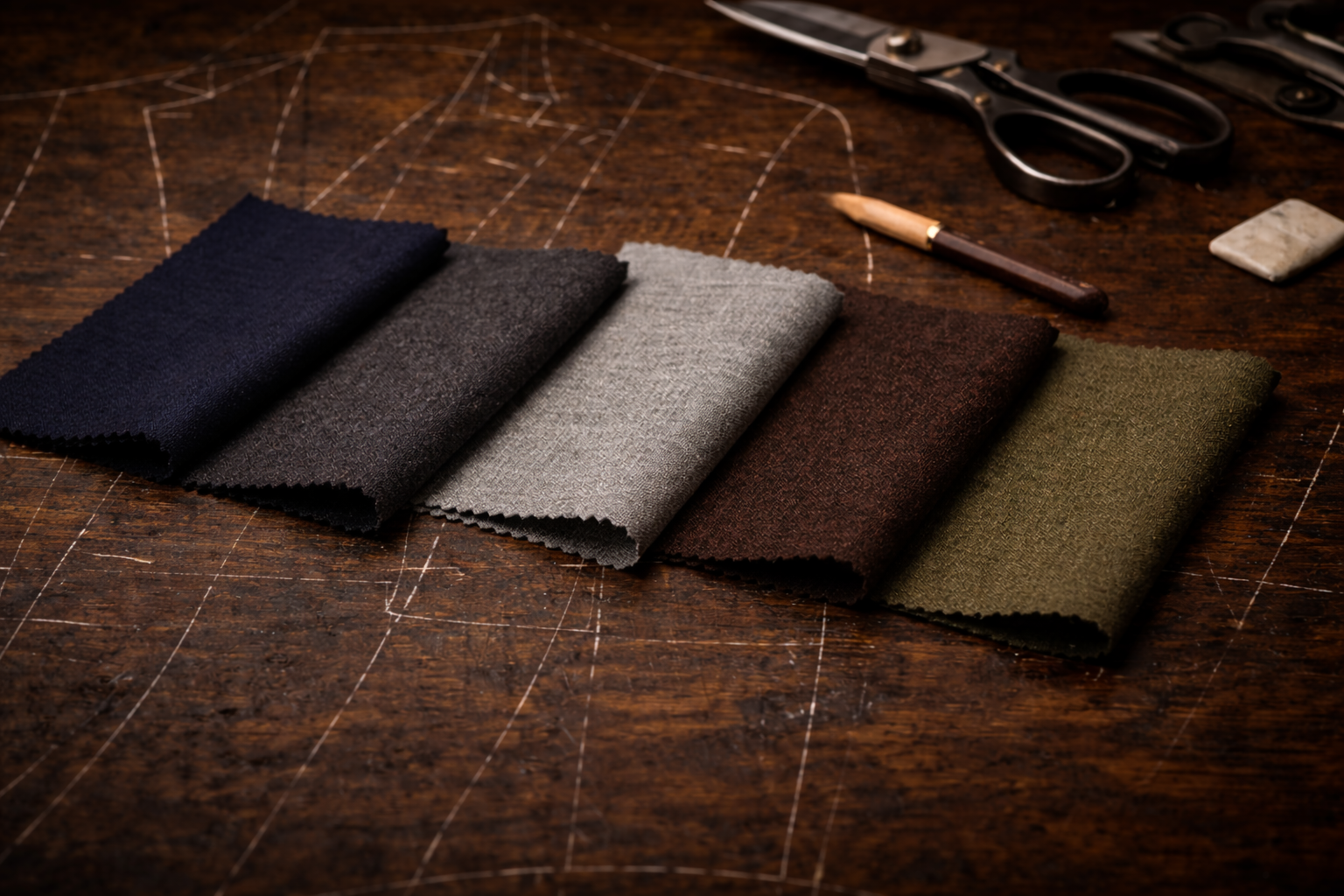
1) Navy: The Most Universally Flattering
Navy works for nearly every man because it creates contrast without harshness. It enhances clarity in the complexion while still reading professional and timeless.
Best for:
- Almost all undertones
- Business settings
- Weddings and formal events
- A first bespoke suit investment
Bespoke note: Navy comes in countless variations—ink, midnight, royal, bright. In bespoke, we select the shade based on your contrast level, not a seasonal trend.
2) Charcoal: The Most Sophisticated Professional Color
Charcoal is quieter than navy and often reads as more authoritative. It’s ideal for men who want refinement without flash.
Best for:
- Cool and neutral undertones
- Executive-level business settings
- Men who wear suits frequently
Charcoal also pairs beautifully with richer ties and subtle textures—making it an ideal foundation for cooler months and professional wardrobes.
3) Mid-Gray: The Most Versatile “Second Suit”
Mid-gray is often overlooked, but it’s one of the easiest suit colors to style. It works across seasons and complements a wide range of shirts and ties.
Best for:
- Warm and neutral undertones
- Year-round wear
- Business environments that range from formal to business-casual
The key is depth. Too pale and it can feel washed out. In bespoke, you control intensity so the gray still looks elevated.
4) Deep Brown: The Best Alternative to Charcoal
Deep brown is one of the most flattering colors for warm complexions. It delivers richness without the severity of black or charcoal.
Best for:
- Warm undertones
- Men who look best in earth tones
- Fall and winter wardrobes
- Outdoor and destination weddings
Brown also signals taste. It’s less common, which means it looks intentional when executed properly.
5) Olive: The Best “Quiet Statement” Color
Olive is exceptionally flattering for warm and neutral undertones. It’s distinctive without being loud—an ideal “quiet luxury” color.
Best for:
- Warm / olive undertones
- Men who want distinction with restraint
- Pairing with cream, white, pale blue, and burgundy
Olive also photographs beautifully, making it a strong choice for weddings and special events.
Choosing the Right Color Based on Contrast
Beyond undertone, the next factor is contrast—how strongly your hair, eyes, and skin differ.
High contrast
(Dark hair + light skin, or very defined features)
- Can wear deeper navies, charcoal, and bolder patterns elegantly
- Strong colors look natural, not overpowering
Low contrast
(Lighter hair, lighter eyes, softer features)
- Looks best in mid-gray, softer navies, and gentle patterns
- Colors should support the complexion rather than compete with it
A bespoke clothier considers this instinctively. The goal is harmony—not simply buying the “right” color, but the right shade of the right color.
What About Black Suits?
Black suits are frequently misunderstood. In classic tailoring, black is typically reserved for:
- Formal eveningwear
- Funerals
- Certain ceremonial roles
For business and most weddings, black can appear harsh and flat. Navy, charcoal, and deep tones almost always look more refined.
A Simple Rule: Your First Two Suits
If you’re building a wardrobe intentionally, the strongest foundation is:
- Navy
- Charcoal
Then expand into:
- Mid-gray
- Deep brown
- Olive
- Subtle patterns (glen plaid, windowpane, fine stripes)
Choosing the right suit color isn’t just aesthetic—it’s strategic. The correct shade can elevate your presence instantly and ensure your suit works across business, weddings, and formal settings.
If you’d like guidance, we invite you to schedule a bespoke consultation at Samuel Baron Clothiers. We’ll help you select a fabric and shade that complements your complexion, lifestyle, and long-term wardrobe plan—so your suit looks correct in every setting.
If you’d like to go deeper into bespoke tailoring and build a wardrobe that fits impeccably, explore these guides:
- How a Suit Should Fit: The 10-Point Checklist Every Man Should Know: Learn the fit standards that separate an ordinary suit from a bespoke-level silhouette.
- Bespoke vs. Made-to-Measure vs. Custom: The Real Difference (From a Bespoke Clothier): Understand the processes, construction differences, and which path best matches your wardrobe goals.