Fall weddings feel a long way off in June. They aren't.
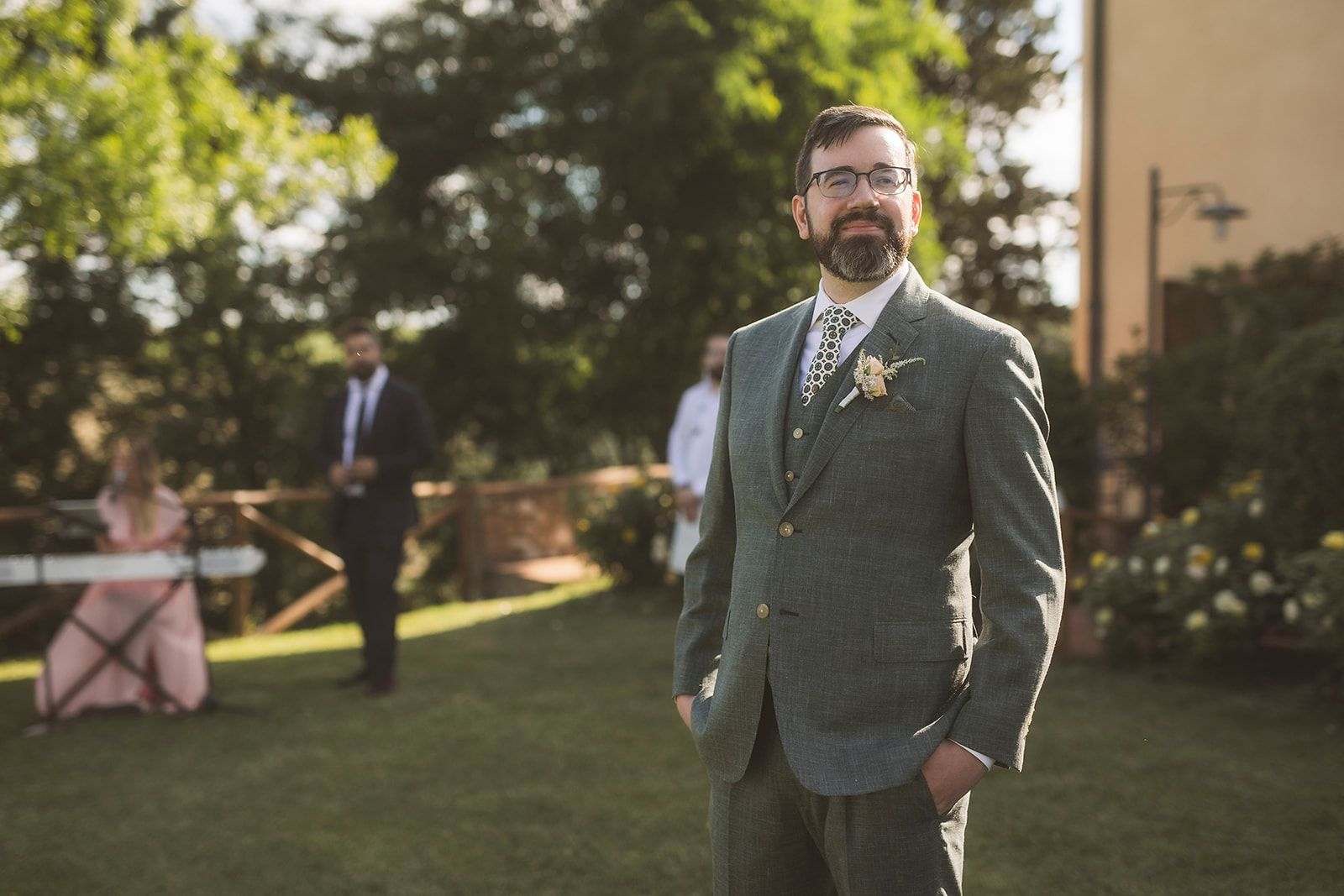
A bespoke wedding suit takes six to eight weeks from first appointment to finished garment. Add a basted fitting, which we strongly recommend for any wedding commission, and the window extends to roughly ten weeks. For a September wedding, that timeline is already starting to tighten. For October and early November weddings, the window is open, but not for long.
This guide explains how the bespoke wedding suit timeline actually works, what fall grooms should be thinking about right now, and why starting earlier than feels necessary produces a meaningfully better result.
The Real Timeline of a Bespoke Wedding Suit
A wedding suit is not built the way a ready-to-wear suit is. There is no warehouse to pull from, no inventory to dip into, no standard process that gets expedited for an extra fee. Every garment we make is built from scratch, on a pattern drafted specifically for the client, in a fabric the client has chosen, with every detail specified during the consultation. That work takes the time it takes.
First Appointment
The first appointment usually runs ninety minutes to two hours. It begins with a conversation about the wedding itself — when, where, indoor or outdoor, time of day, the level of formality, and what the rest of the wedding party is wearing. From there, we move into fabric selection, which is often the most enjoyable part of the process. We then walk through style decisions: jacket cut, lapel style, lining, pant details, and the dozens of smaller choices that make a bespoke garment personal. Full measurements are taken, and notes are made about posture, proportion, and anything else the pattern will need to account for.
Pattern Drafting and Construction
After the appointment, your pattern is drafted from scratch using your measurements. The fabric is cut from that pattern. The garment is then assembled in stages — shoulders, chest, lapels, sleeves, lining, and all the structural elements that give a bespoke suit its character. For half-canvas or full-canvas construction, much of this work is done by hand.
Basted Fitting (Optional but Recommended)
For wedding commissions, we strongly recommend a basted fitting. This is a step where the garment is constructed in muslin — to your exact measurements and style choices — and fitted on you before any final cloth is cut. Adjustments are made at this stage, before any permanent stitching is done in your actual fabric. It adds approximately two weeks to the timeline but produces a meaningfully better result. For a wedding suit, where the garment is photographed, remembered, and worn on a high-stakes day, the additional time is almost always worth it.
Final Construction and Fitting
Once any basted fitting adjustments are incorporated, your final cloth is cut and the suit is completed. When it arrives, you come in for a final fitting. Any minor alterations needed at this stage — sleeve length, trouser hem, small refinements — are handled by our trusted local tailor.
Pickup and Wear
The finished suit is ready for you well before the wedding, allowing time for any last-minute adjustments and the opportunity to wear it once before the day itself. A wedding suit is not a garment you should be putting on for the first time at the ceremony.
What This Means for Fall Grooms
Working backward from the wedding date, here is what the timeline looks like for fall weddings.
September Weddings
For a wedding in early to mid September, you need your suit finished and in your hands by late August at the latest. That means starting the bespoke process now — late June or very early July. With a basted fitting, the window is essentially closed by mid-July. Without one, you have perhaps until the third week of July before timelines become tight.
October Weddings
Early October weddings have a bit more flexibility. Starting in mid to late July still works, with or without a basted fitting. By August, the timeline becomes uncomfortable and the basted fitting becomes harder to fit in.
Late October and early November weddings have the most breathing room of fall grooms — but only relatively. Starting in early August is fine. Starting in September is when you begin to lose options.
Why Earlier Is Almost Always Better
Bespoke production benefits from time. A relaxed timeline allows for more thoughtful fabric selection, a more considered approach to style decisions, the option of a basted fitting, and room for any unexpected adjustments. A compressed timeline removes these options one by one, and the result is a perfectly serviceable suit instead of an exceptional one.
For grooms who want their wedding suit to be the best garment they have ever owned — and many of them do — the difference between starting in June and starting in August can be the difference between a suit that is genuinely remarkable and a suit that is simply correct.
Why Fall Is a Particularly Rewarding Season for Wedding Suits
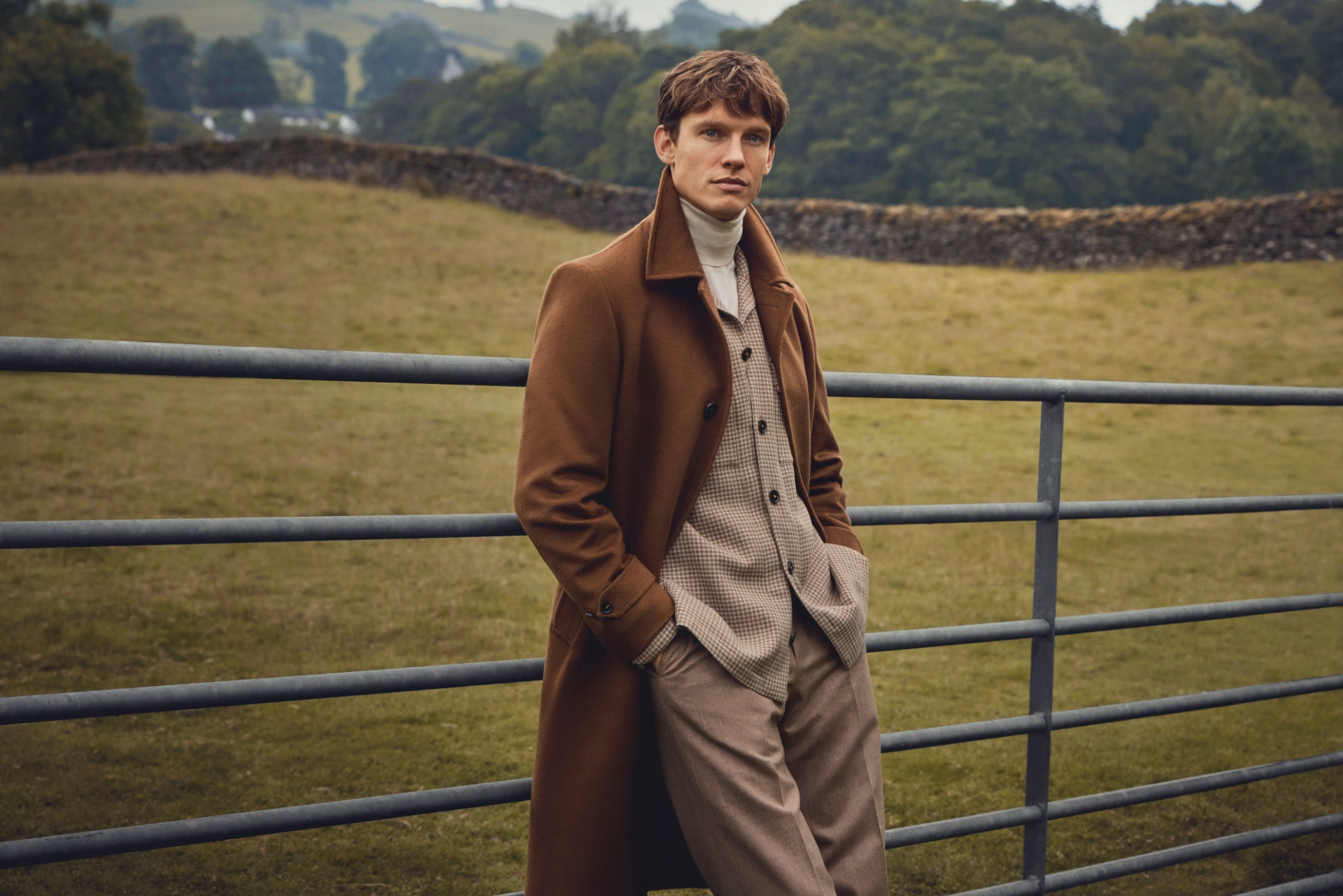
Setting aside the timeline, fall is one of the most aesthetically rewarding seasons in which to commission a wedding suit. The fabrics available, the colors that suit the season, and the photographic quality of autumn light all combine to produce some of the most memorable wedding looks we work on each year.
Fall Fabrics
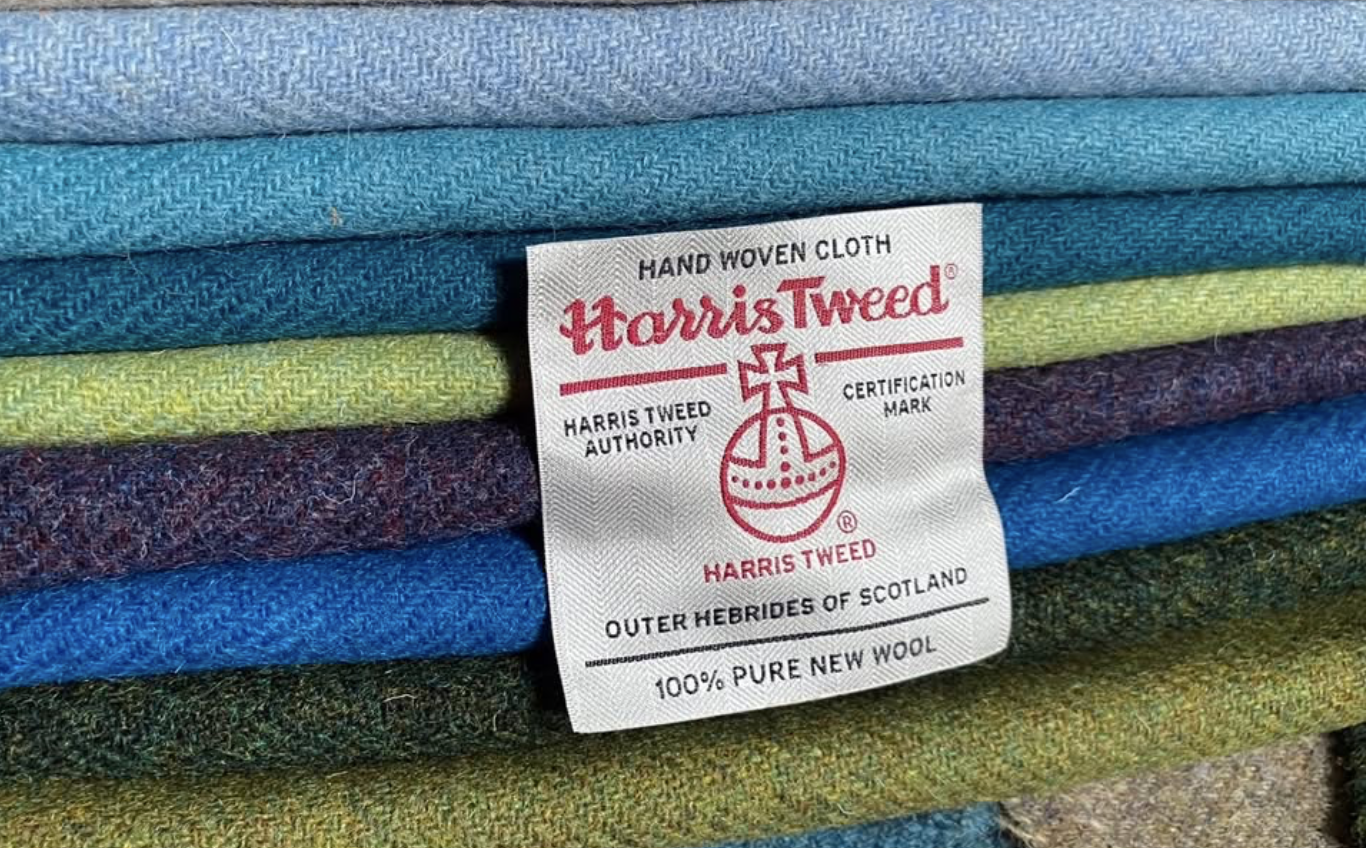
Fall and winter cloths run heavier than summer fabrics, in the 10 to 13 ounce range, with more structure and more texture. Flannels, finer worsted wools with subtle pattern, soft tweeds, and richer cashmere blends are all options. The fabric has weight and presence. The drape is exceptional. The garment carries a kind of substance that summer cloths cannot match.
Our mills — Zegna, Loro Piana, Scabal, Ariston, and Dormeuil among them — produce fall and winter cloths that represent some of the finest suiting fabrics available anywhere. For a wedding suit intended to be kept and worn for years, this is the season where the cloth itself can be the centerpiece.
Fall Colors
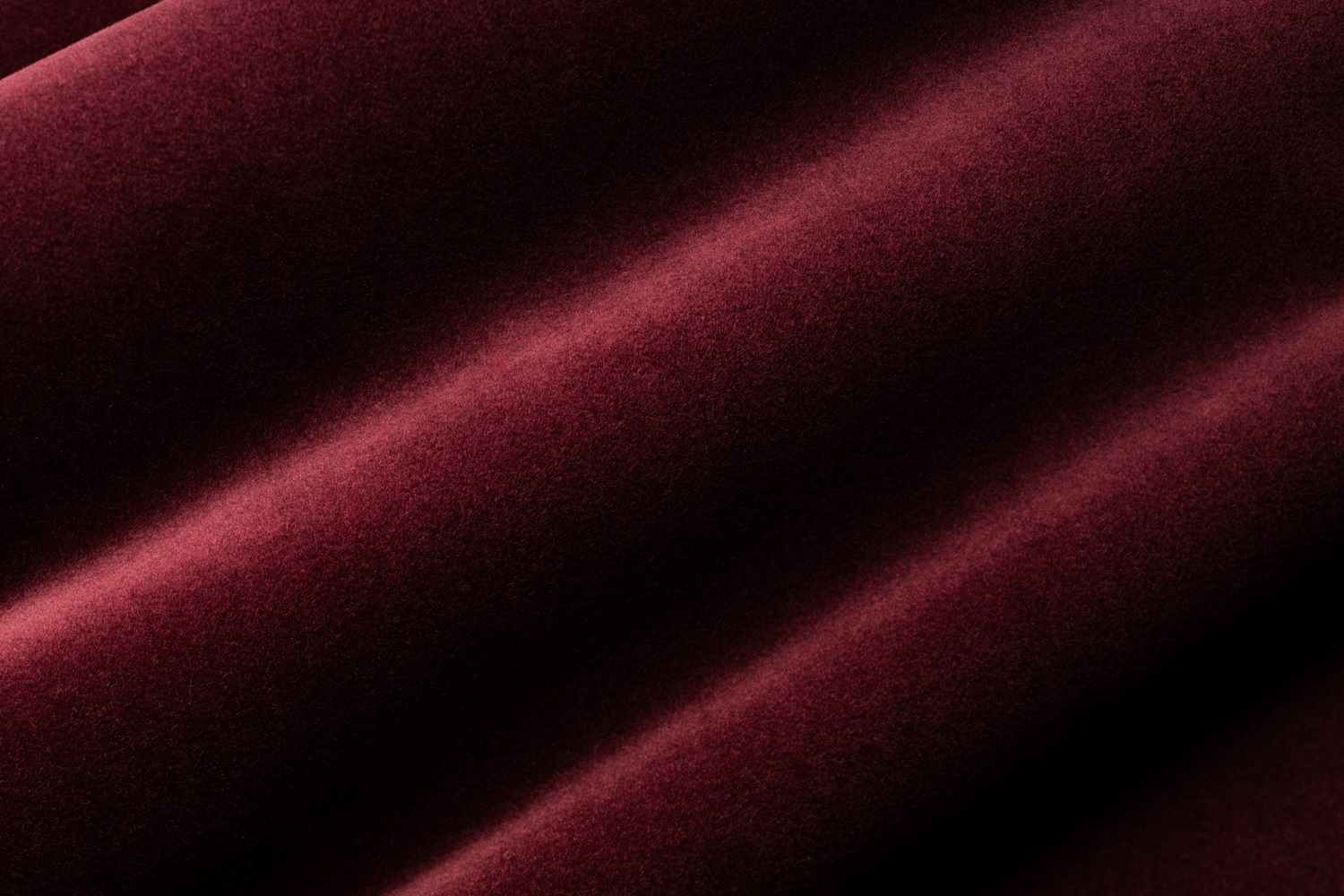
The traditional wedding colors of charcoal and navy translate beautifully into fall, and the season also opens up options that are harder to wear at other times of year. Deep burgundy, rich brown, forest green, slate, and warm earth tones all read appropriately for a fall wedding. They photograph in a particularly distinctive way against the natural colors of the season.
Fall Light
Photographers will tell you that fall is the most flattering season for outdoor and natural-light photography. The angle of the sun, the warmth of the color temperature, and the textures of the season all work in favor of garments that have weight and substance. A bespoke fall wedding suit, photographed well, is almost impossible to overstate.
Starting the Conversation
If you are getting married this fall and have not yet started the bespoke process, this is the right week to reach out. The same is true for anyone who knows a fall groom — colleagues, family members, friends. The earlier we have the first conversation, the more options remain on the table.
The first appointment is exploratory. There is no obligation, no pressure, and no expectation that fabric will be selected on the first visit. The point of the first meeting is to understand what you have in mind, to look at fabrics, and to determine whether a bespoke commission is the right approach for your wedding. Many grooms come in already certain. Others come in unsure and use the appointment to decide. Both are entirely reasonable.
If you are ready to begin, we welcome the conversation. Appointments are available at our Shadyside showroom.
Samuel Baron Clothiers is a bespoke men's clothier located at 201 South Highland Avenue in Shadyside, Pittsburgh, PA. Appointments are required. Call (412) 441-1144 or visit samuelbaronclothiers.com to book.